
Decorative pins are not just fashion accessories; they’re symbols of style and identity. Here’s a glimpse into their diverse world:
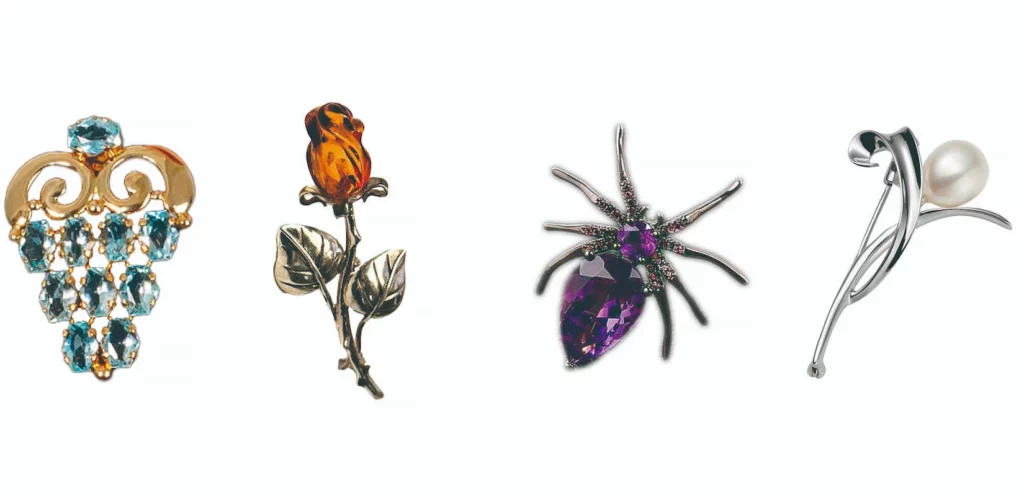
- Brooches: Add elegance and flair, perfect for transforming evening wear.
- Lapel Pins: Provide a sophisticated touch to business attire.
- Badge Pins: Boldly showcase achievements and affiliations.
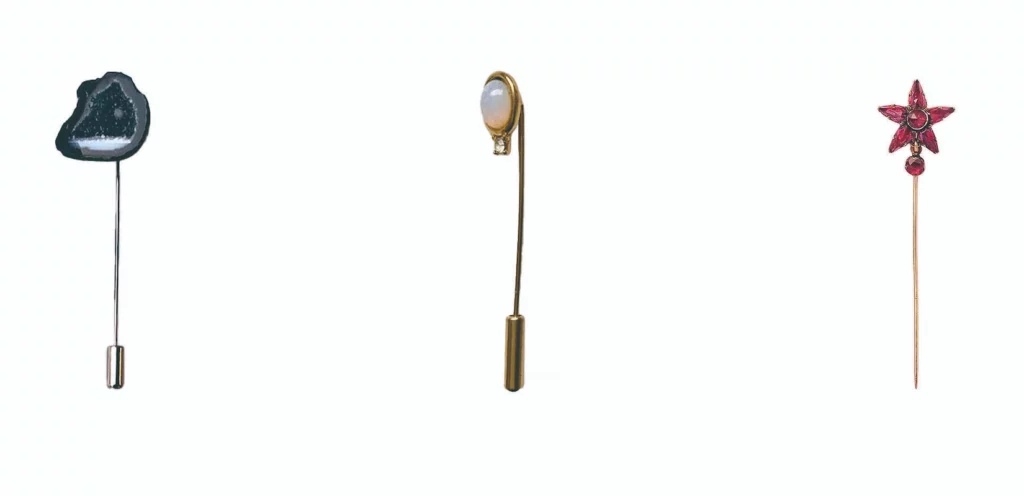
- Stick Pins: Blend functionality with style, ideal for practical use.
As we explore these types, we uncover their unique roles in fashion and personal expression.
Easily Confused Decorative Pins and Their Distinctions
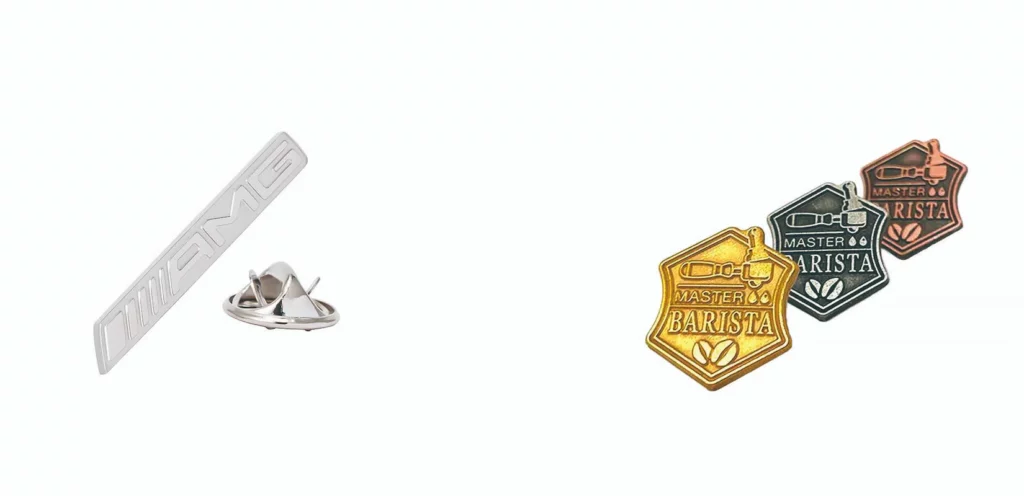
Lapel Pins vs. Badge Pins
Lapel pins, typically worn on suit lapels, serve as decorative items or symbols of organizational affiliation. Badge pins, however, are more specifically used for identification, featuring logos or emblems to represent organizations, events, or achievements. Although some lapel pins can function as badge pins, their purposes often vary.
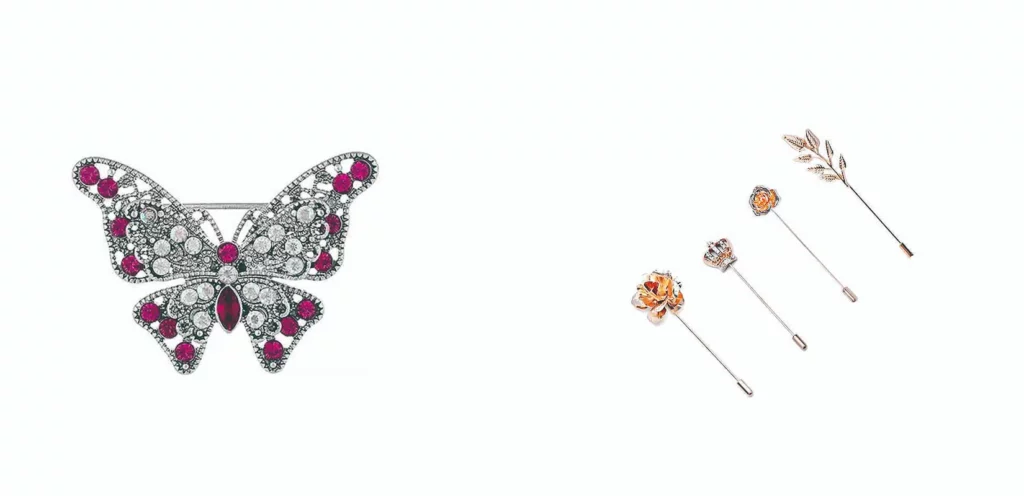
Brooches vs. Stick Pins
Brooches are primarily decorative, often larger, and embedded with jewels or intricate designs, reflecting personal style or commemorating special occasions. Stick pins, with their long, slender needle, are more functional, used to secure items like ties or scarves, though they also carry decorative elements.
Common Accessories of Decorative Pins
Common Backing Accessories
The backing of a pin plays a vital role in its functionality and security. Each type of backing offers unique features and benefits:
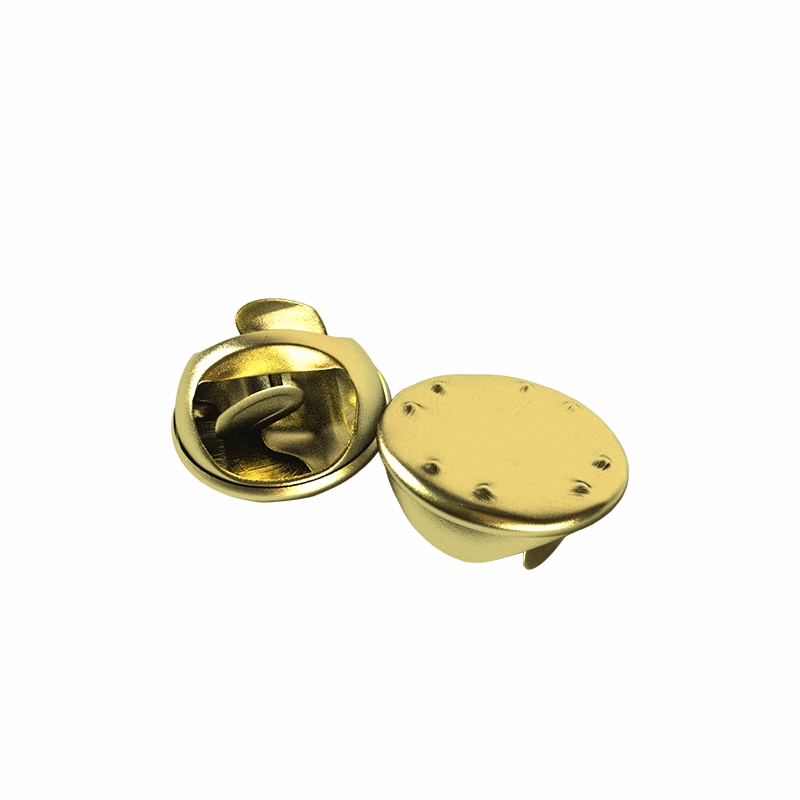
- Butterfly Clasp: This backing consists of a metal body with two ‘wings’ that are squeezed to release the pin. Its flat, circular base and easy-to-use mechanism make it ideal for most pin types.
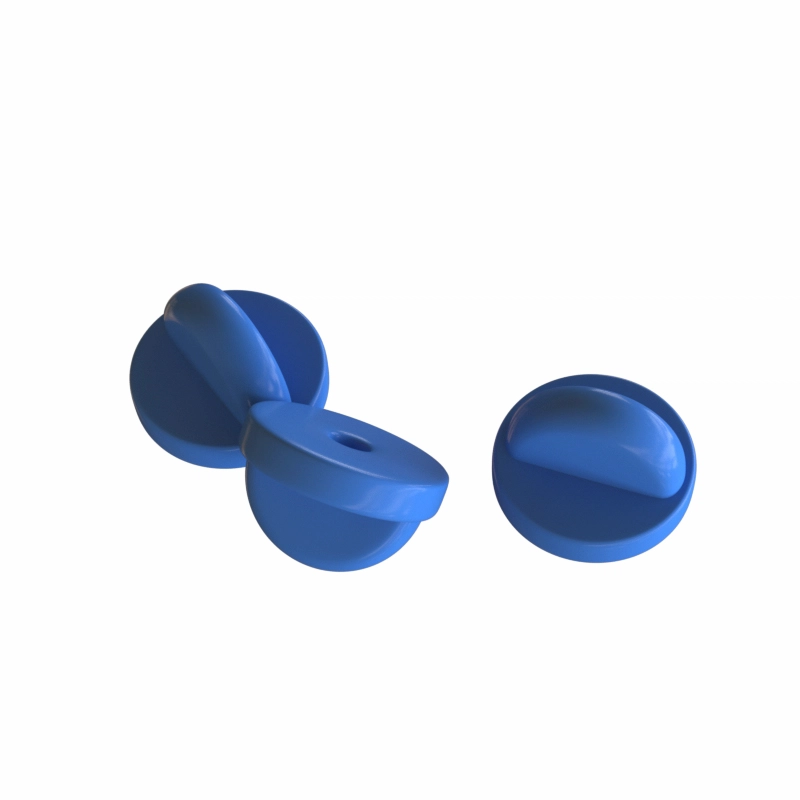
- Rubber Clutch: Similar in function to the butterfly clasp, but made of soft rubber for comfort. It’s less intrusive against the skin, making it great for everyday wear.
- Safety Pin: Features a simple yet secure locking mechanism, resembling a traditional safety pin. Its longer body provides extra support, making it suitable for heavier pins.
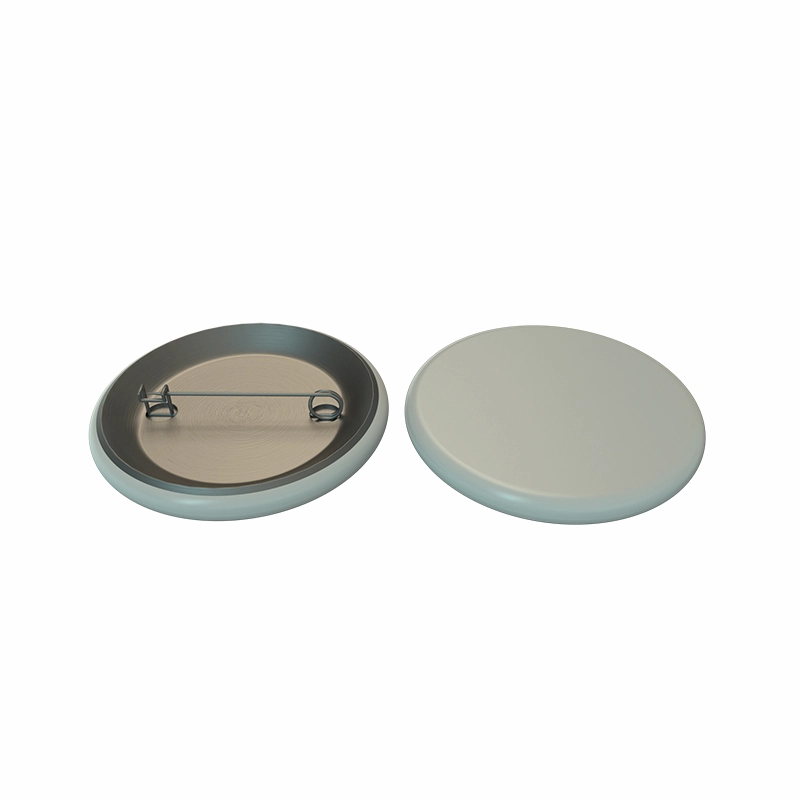
- Magnet Backing: Composed of a small magnet that attaches to a metal piece on the pin, allowing for attachment without piercing the fabric. Ideal for delicate materials where holes are not desired.
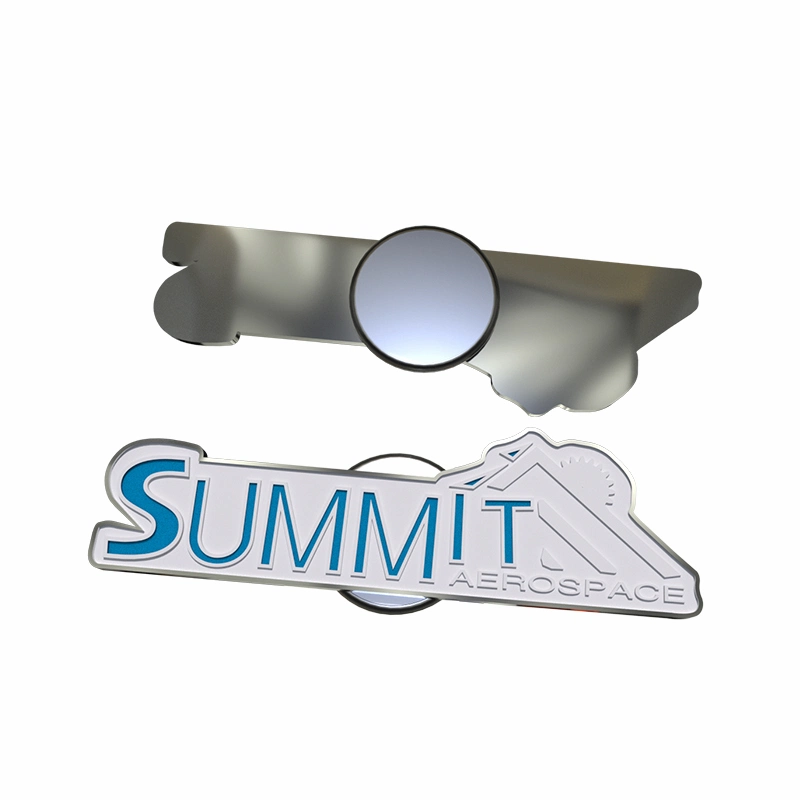
- Screw and Nut: A durable option, where the pin is secured by a screw mechanism that fastens onto a nut. This provides a very secure fit, preferred for heavier or more valuable pins.
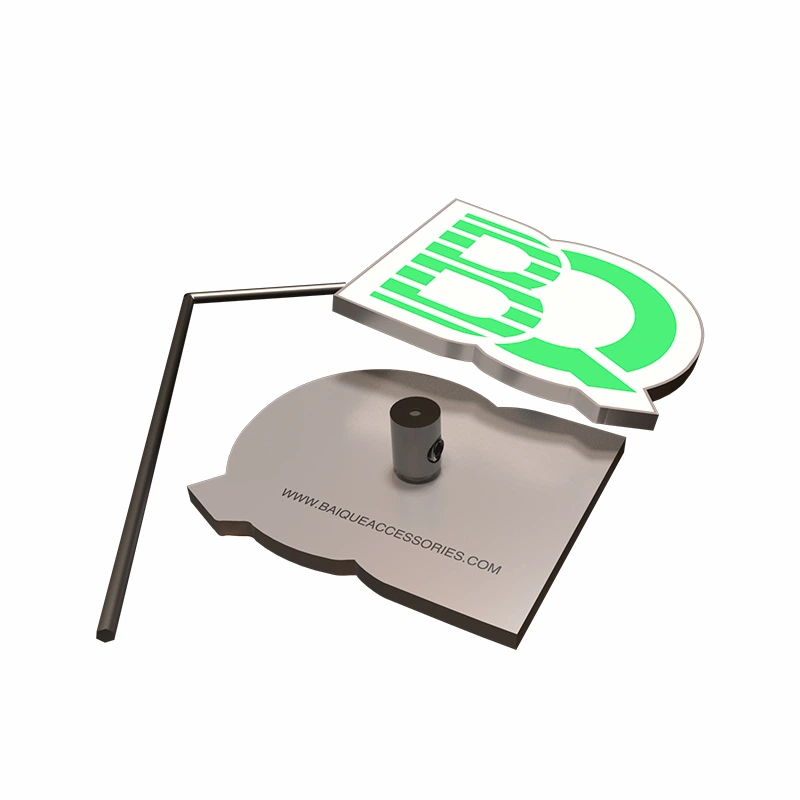
- Deluxe Clutch: An upgraded version of the butterfly clasp with an added locking feature for enhanced security. Its design ensures valuable pins stay securely in place.
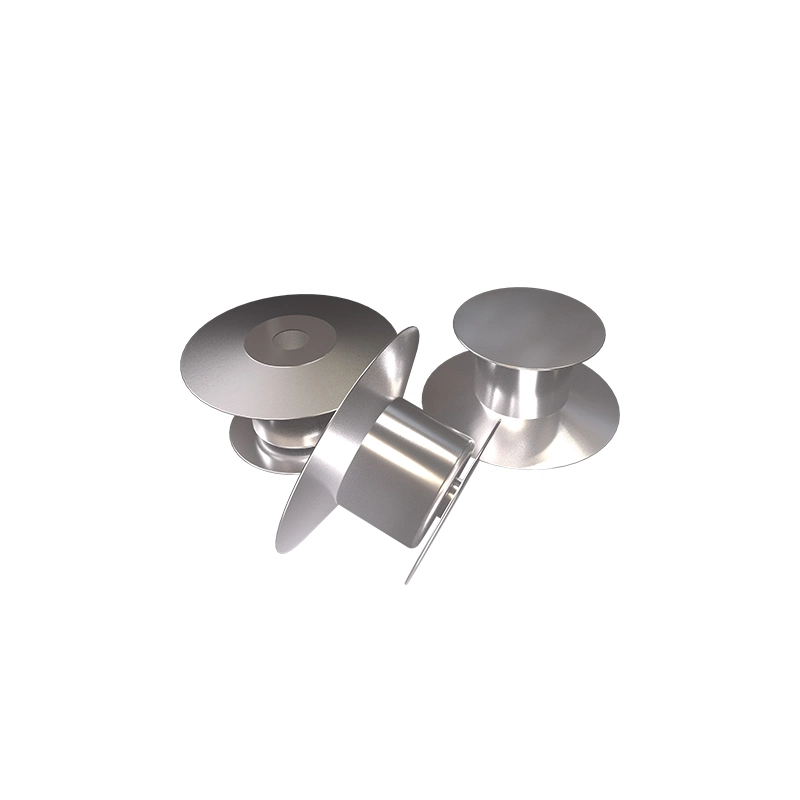
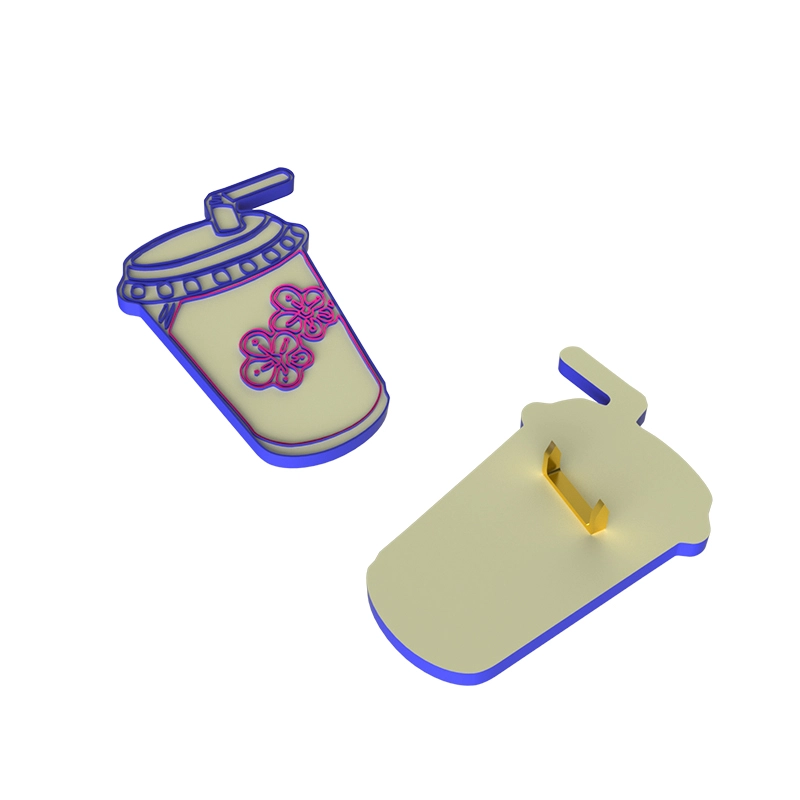
- Bent Legs Backing: Features two bent metal legs that provide a gentle grip. This backing is discreet and minimalistic, but requires careful handling for occasional use.
Common Adornment Accessories
The adornment of a pin greatly enhances its aesthetic appeal and allows for a wide range of customization. Here are some popular adornment options, each with its unique charm:
- Gemstone: Adds luxury and elegance, perfect for creating a statement piece.
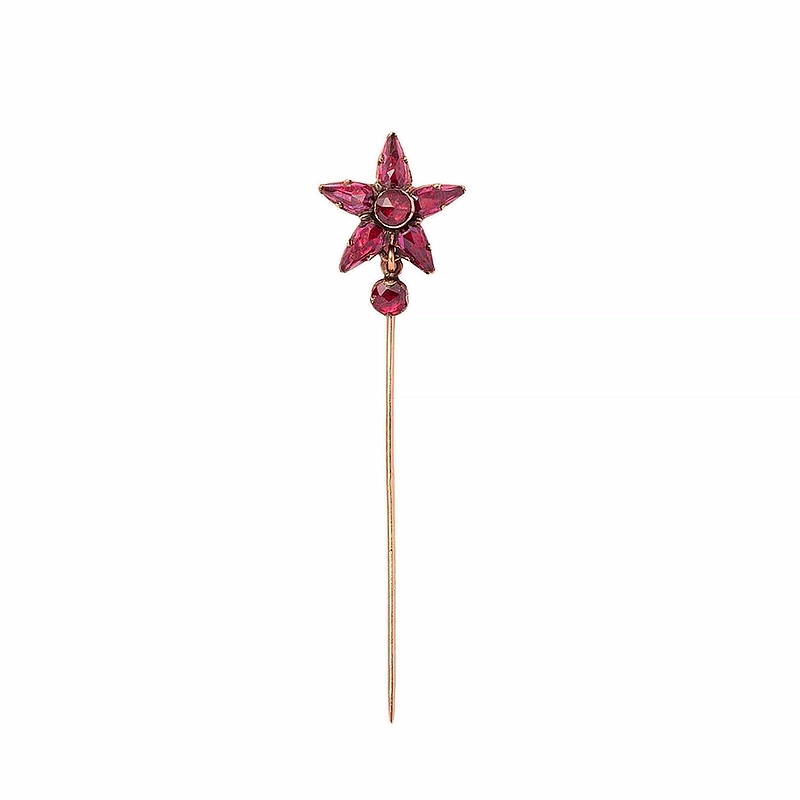
- Semi-Precious Gemstone: Offers a diverse palette of colors and textures, ideal for unique designs.
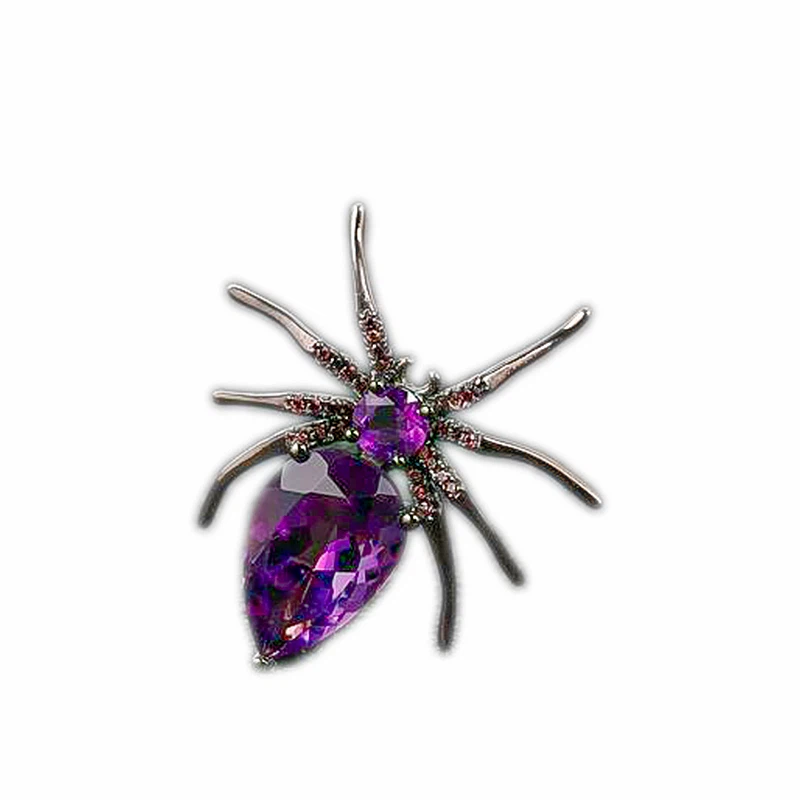
- Organic Material: Includes options like bone or pearl, bringing a natural and earthy feel.
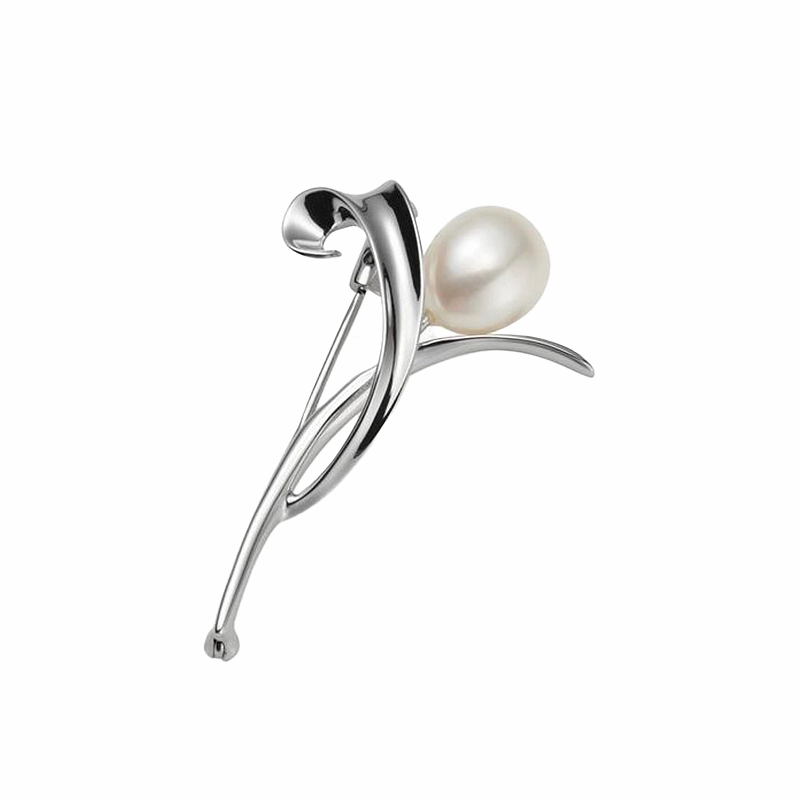
- Wood: Provides a rustic and warm appearance, great for casual and nature-themed designs.
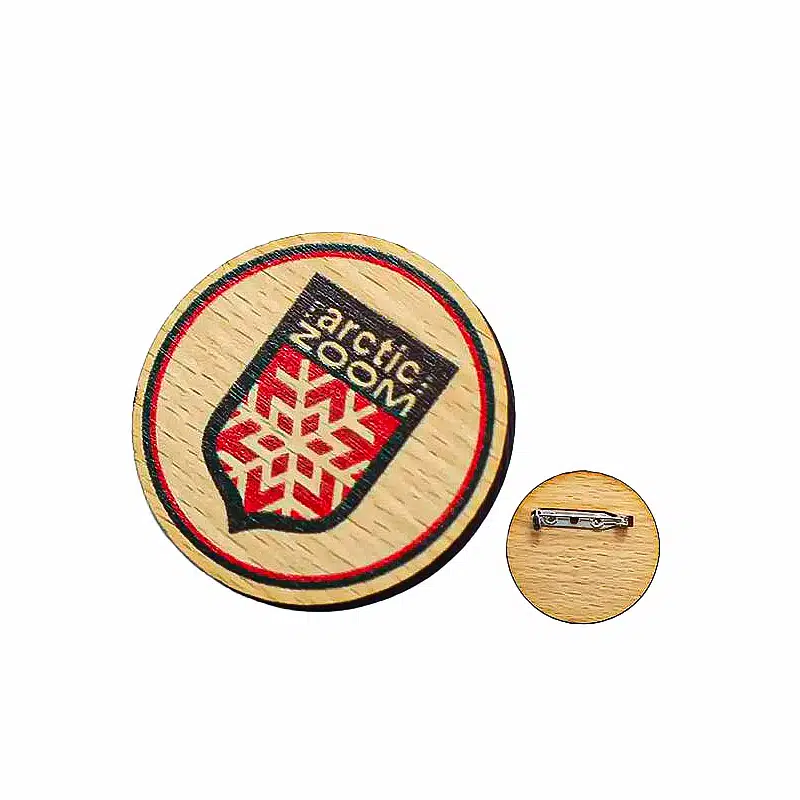
- Glass and Crystal: Shines with clarity and brilliance, perfect for adding sparkle and glamour.
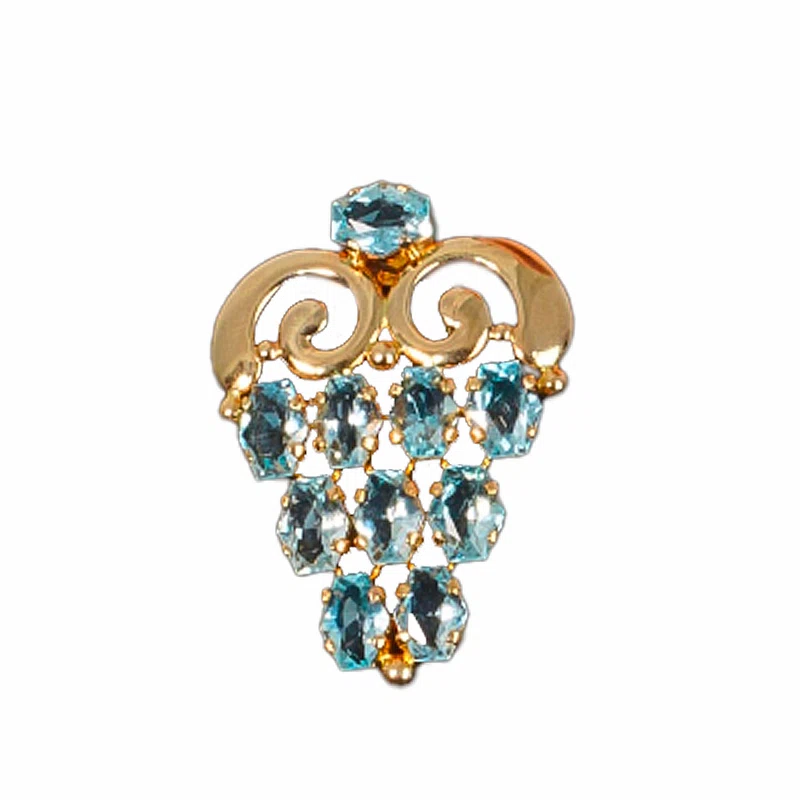
Each adornment option presents its own story and style, allowing for personalized and meaningful design choices in pin creation.
Manufacturing Processes of Decorative Pins
1. Prototyping Processes
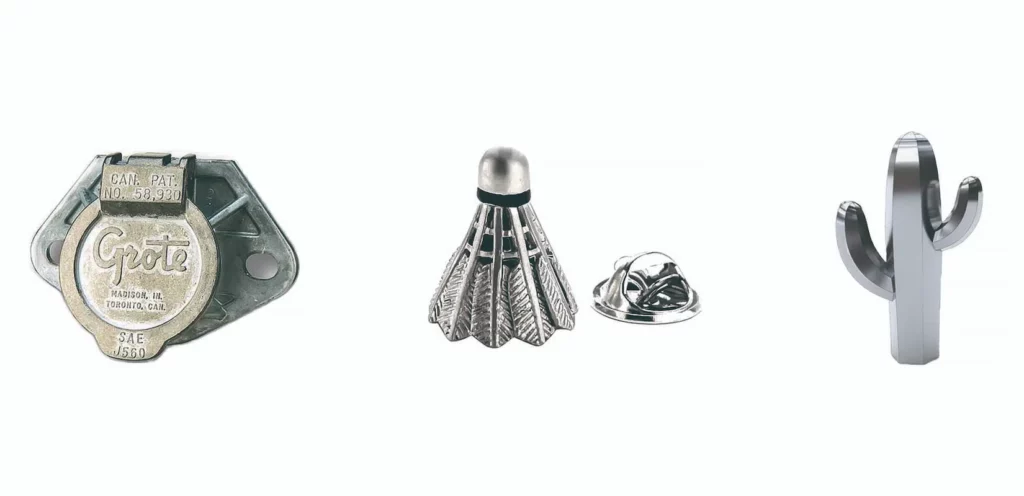
The prototyping process of decorative pins involves key techniques like die casting, mold forming, and CNC machining. These methods are vital for creating the initial design with precision, paving the way for further embellishments and finishing, essential for achieving the desired final product.
2. Surface Coating
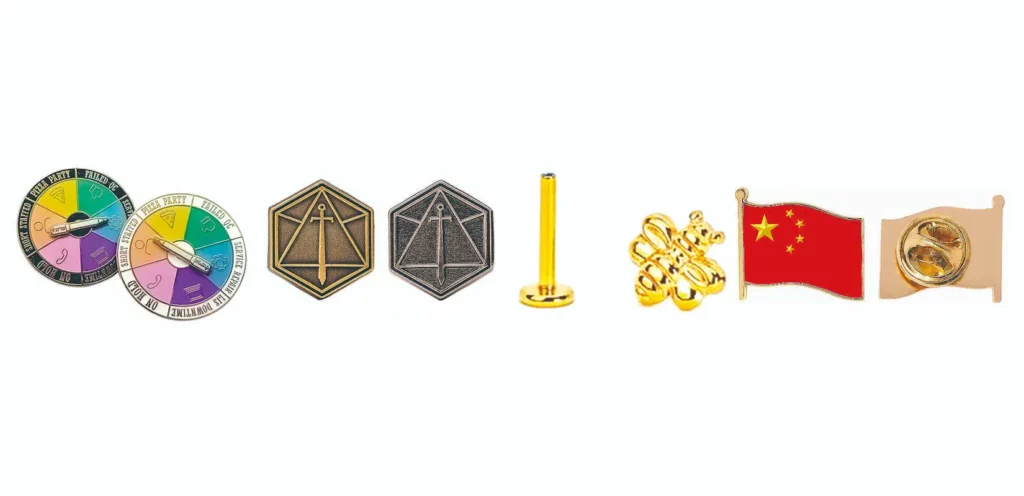
Following molding and brushing or polishing, surface treatments like enameling, electroplating, PVD, and epoxy coating are applied to improve durability and aesthetics. These methods provide finishes from glossy to matte, crucial for enhancing the pin’s appearance and protecting the design.
3. Adornment Options
In the final manufacturing step, adornments such as gemstones, semi-precious stones, zirconia, and wooden inlays are added. These enhance the pin’s look and add personal significance, bringing the piece to life with beauty and craftsmanship.
How to Choose the Right Pin Type, Process, and Backing for a Custom Order
A badge, lapel pin, brooch, stick pin, and decorative pin can overlap in everyday language. For a custom order, the name is only the starting point. The more useful question is: how will the pin be worn, what artwork must stay readable, which process fits the surface, and which backing keeps the product comfortable and secure?
Pin type: what buyers usually mean
| Buyer term | Usually means | Confirm before quoting |
|---|---|---|
| Badge | Identity, event, recognition, uniform, campaign, or brand display | Size, shape, attachment method, logo clarity, wearer context, and packaging |
| Lapel pin | Smaller wearable pin for jackets, events, clubs, gifts, brand teams, or promotional programs | Backing, enamel or metal process, color areas, plating direction, and display card |
| Brooch | A more decorative or jewelry-like piece, often larger or heavier than a simple lapel pin | Weight, balance, backing strength, garment compatibility, and finish protection |
| Stick pin | Slim pin style with a specific wearing direction | Pin length, point protection, comfort, safety expectations, and storage packaging |
| Decorative pin | A broad search term that may include fashion pins, enamel pins, badges, brooches, and novelty pins | Use case, style level, material, process, backing, and whether retail packaging is needed |
For a buyer, the safest brief is not just “make a custom badge” or “make a brooch.” A better brief includes the wearing position, garment or material, target size, artwork file, finish reference, backing preference, and packaging goal.
Match the process to artwork and finish
| Process direction | Useful when | Watch before approval |
|---|---|---|
| Soft enamel | The design needs colored enamel areas with raised metal lines and a textured feel | Metal line width, color separation, recessed enamel depth, plating color, and surface protection |
| Hard enamel | The buyer wants a smoother, more polished, jewelry-like surface | Color limits, polishing effect, small detail readability, and whether the higher-finish look matches the budget |
| Die struck | The artwork works well as raised and recessed metal without color fill | Relief depth, plating contrast, antique effect, and whether the logo remains readable without color |
| Printed pin | The artwork uses gradients, full-color graphics, photo-like detail, or tiny elements that cannot be separated cleanly into enamel areas | Print file quality, color proof, protective coating, surface shape, and normal handling rub |
| Mixed process | The pin needs more than one effect, such as metal relief plus enamel, print plus coating, or a special logo area | Every effect should be checked together on the sample, not approved one by one from separate references |
Choose the backing with the use case
Backing is not only an accessory. It affects comfort, garment compatibility, wearing security, packaging thickness, and the way the pin feels when the buyer receives it.
| Backing option | When it can fit | Buyer risk to check |
|---|---|---|
| Butterfly clutch | Common lapel pins, event pins, and lightweight branded pins | Grip, comfort, post count, and whether one or two posts are needed for a larger pin |
| Rubber clutch | Casual pins where a softer back feel is preferred or where color coordination matters | Grip, color, aging feel, and whether packaging contact makes the back look mismatched |
| Locking pin back | Higher-security use, valuable pins, uniforms, badges, or pins likely to be worn repeatedly | Locking feel, user convenience, added thickness, and whether the buyer accepts a more mechanical back |
| Safety-pin style back | Larger badges, brooch-style pieces, or fabric attachment needs | Balance, garment thickness, pin point protection, and whether the back scratches the product |
| Magnet back | Delicate garments or situations where piercing fabric is not preferred | Magnet strength, weight limit, safety expectations, and packaging separation |
| Screw and nut back | More secure attachment for heavier or special-purpose pieces | Assembly effort, comfort, thread feel, and whether the user needs frequent removal |
| Backing card | Retail, event, gift, or brand presentation where the pin needs a display card | Card thickness, hole placement, logo position, barcode/label area, and whether the backing damages the card in transit |
There is no universal best backing. A small lapel pin, a decorative brooch, and a uniform badge can all need different backing decisions even if the front logo looks similar.
What to confirm before sampling
Before approving a custom pin sample, check more than the front view.
- Product name and intended use: badge, lapel pin, brooch, stick pin, decorative pin, or another direction.
- Process direction: soft enamel, hard enamel, die struck, printed, mixed process, or another route.
- Artwork readability: small text, line width, color separation, logo size, and whether a proof matches the actual production process.
- Backing: type, post count or placement, comfort, garment fit, and packing thickness.
- Finish and plating: color direction, shine level, antique effect, rub points, and whether front/back finishes match the buyer expectation.
- Packaging: backing card, polybag, gift box, point protection, barcode/label space, and whether the pin or backing moves during shipment.
Custom pin process FAQ
What is the difference between a badge and a pin?
A badge often implies identification, recognition, event, uniform, or campaign use. A pin is a broader term that can include lapel pins, decorative pins, badges, collectible pins, and fashion pins. For custom production, define the use case, size, attachment, and artwork instead of relying only on the word.
Is a brooch the same as a lapel pin?
They can overlap, but a brooch is usually more decorative or jewelry-like, while a lapel pin is often smaller and used for branding, events, clubs, or recognition. The practical difference is often weight, backing, garment compatibility, and presentation.
Should I choose soft enamel, hard enamel, die struck, or printed pins?
Choose soft enamel when raised metal lines and recessed color fit the artwork, hard enamel when the buyer wants a smoother polished face, die struck when metal relief can carry the design without color, and printing when gradients or tiny details matter more than metal separation.
Which backing is best for custom pins?
The backing should match the size, weight, garment, wearing frequency, and packaging. A small promotional lapel pin may use a common clutch, while a heavier brooch-style piece may need a locking, safety-pin, or screw-back structure. Confirm the backing on the sample instead of choosing it only by name.
Are locking pin backs always better?
No. Locking pin backs can improve security, but they add thickness and may feel less convenient for quick removal. They are worth considering for uniforms, higher-value pieces, or repeated wear, but they are not necessary for every small promotional pin.
Can very small text or detailed logos work on custom pins?
Sometimes, but the process matters. Small text, thin lines, gradients, and detailed logos should be checked against the actual pin size and process. A digital artwork proof is useful, but a physical sample is the safer approval point before bulk production.
Planning a custom badge, lapel pin, brooch, or decorative pin? Send Baique your artwork, intended use, target size, finish reference, backing idea, and packaging goal. We can help review the process and sample-check path before bulk production.
Types of Brooches
Brooches, with their rich history and diverse styles, serve as more than just fashion accessories. They are expressive art pieces, each type reflecting different eras, cultures, and personal styles. From ornate jeweled pieces to minimalist modern designs, brooches offer a wide range of aesthetics suitable for various occasions.
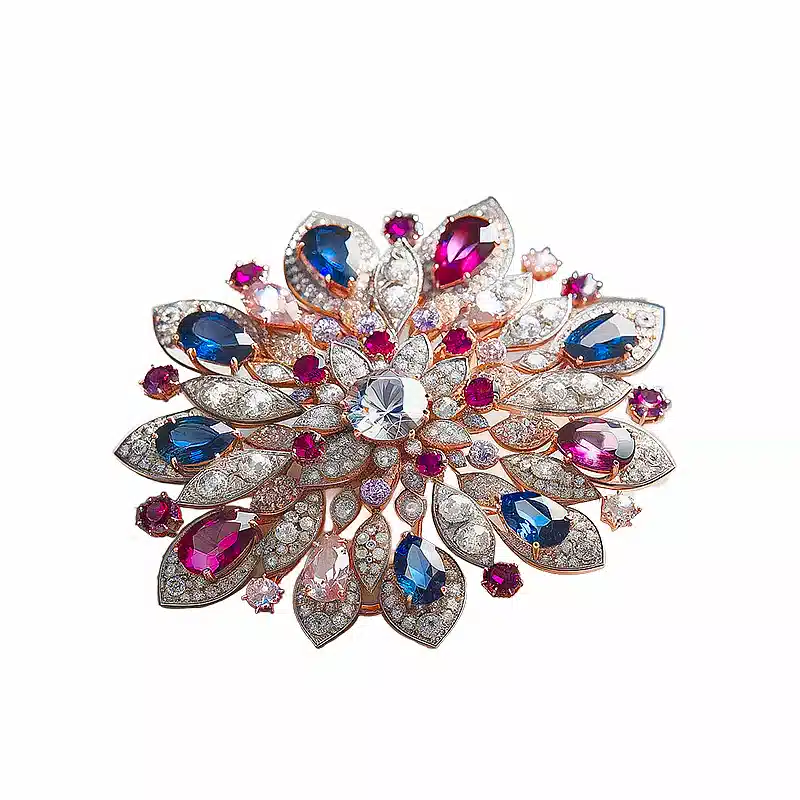
Jeweled Brooches
Jeweled brooches are the epitome of elegance, often adorned with diamonds, rubies, or sapphires, making them perfect for formal events or as luxury gifts.
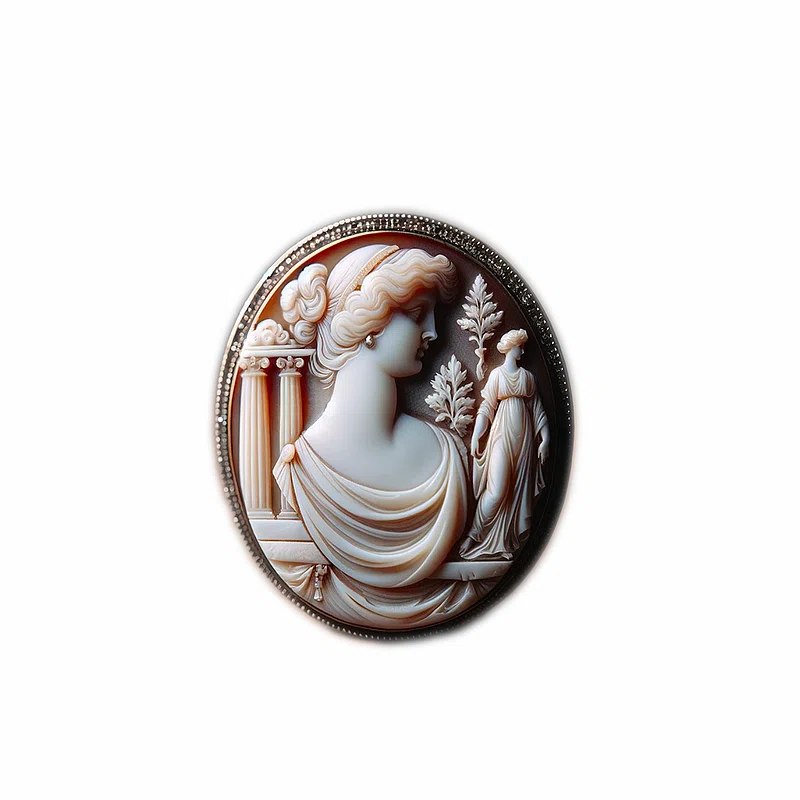
Cameo Brooches
Cameo brooches feature carved images, typically in relief against a contrasting background, reflecting a vintage charm and historical elegance.
Artistic Brooches
These are contemporary pieces where art meets fashion. Artistic brooches often feature unique designs and abstract motifs, perfect for a modern and eclectic style.
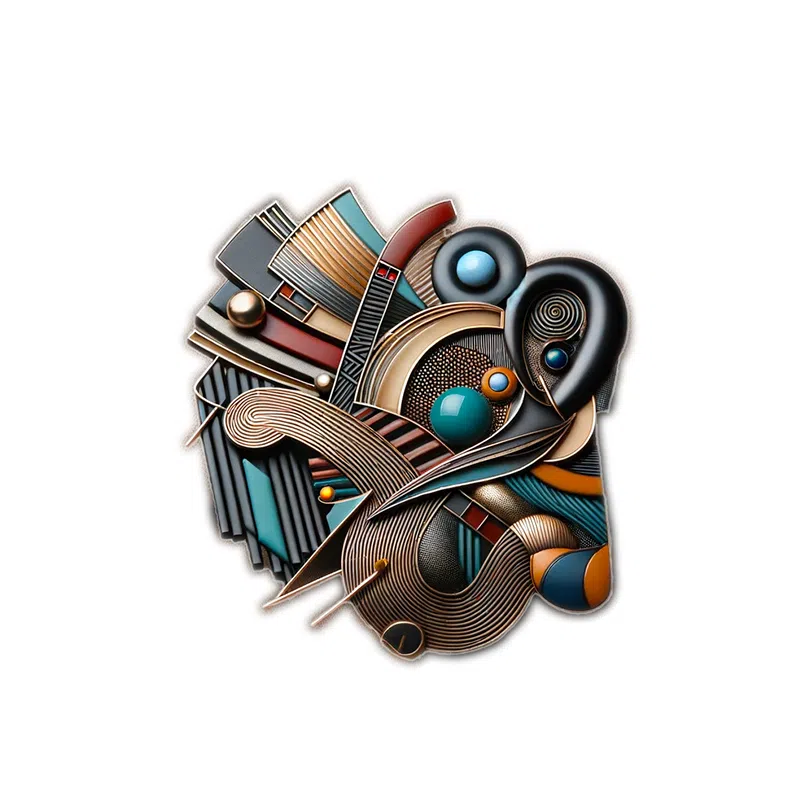
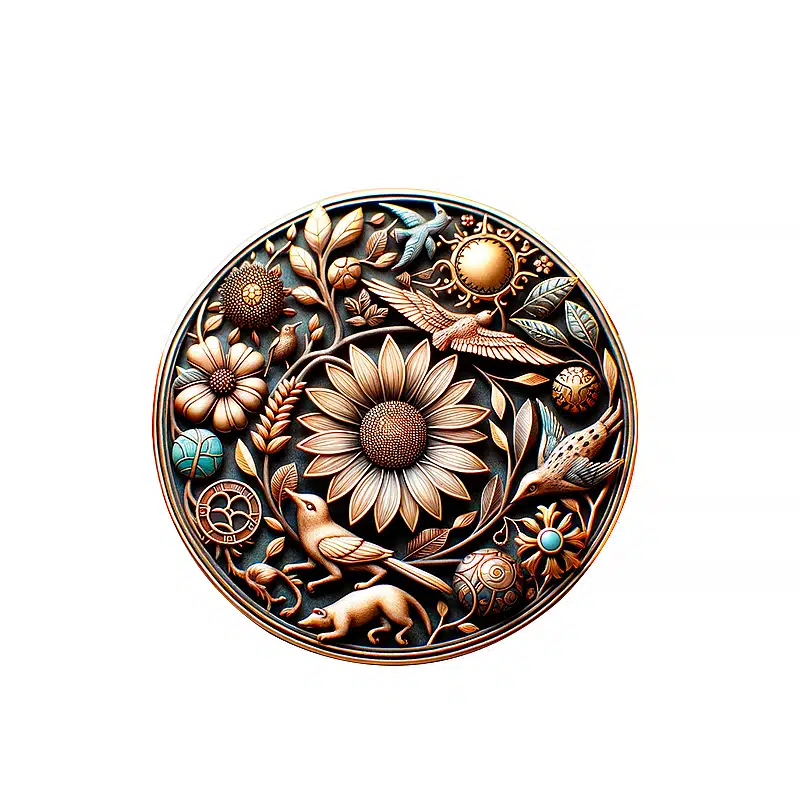
Thematic Brooches
Thematic brooches center around specific motifs like nature, animals, or symbols, allowing wearers to express their interests and passions.
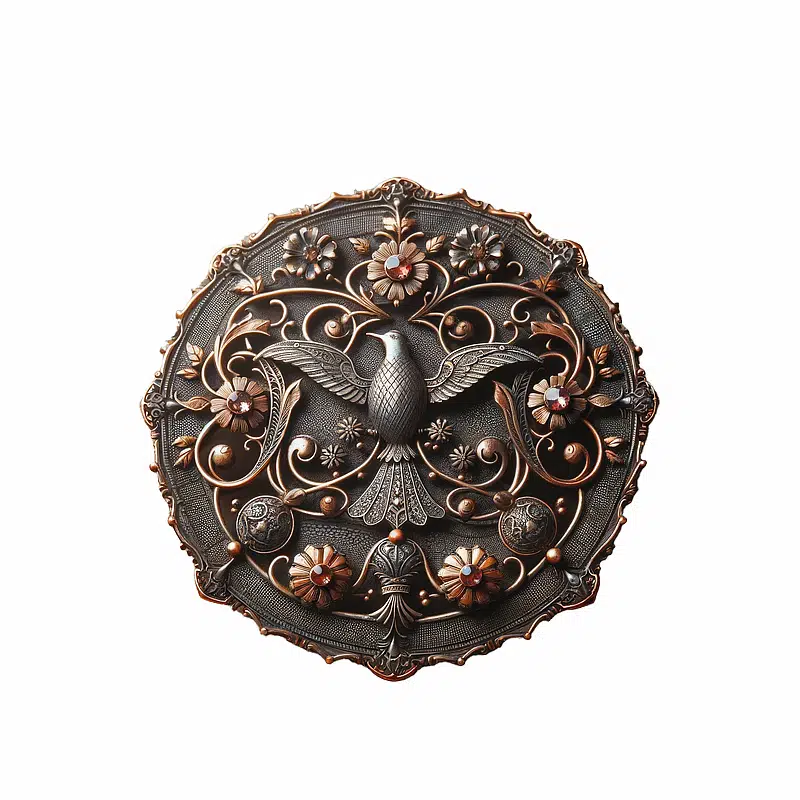
Vintage Brooches
Evoking the charm of past eras, vintage brooches are treasured for their historical designs and craftsmanship, ideal for collectors and antique enthusiasts.
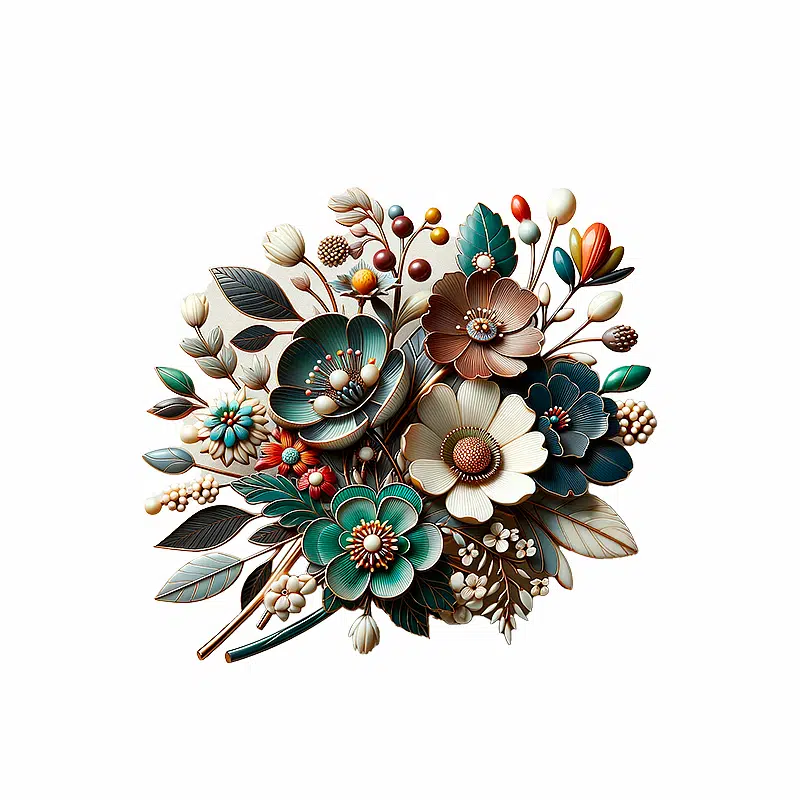
Floral Brooches
Incorporating elements from nature, floral brooches range from delicate flower designs to bold botanical motifs, suitable for a variety of looks.
Abstract Brooches
Focusing on modern and unconventional designs, abstract brooches use form and color to create visually striking pieces that stand out.
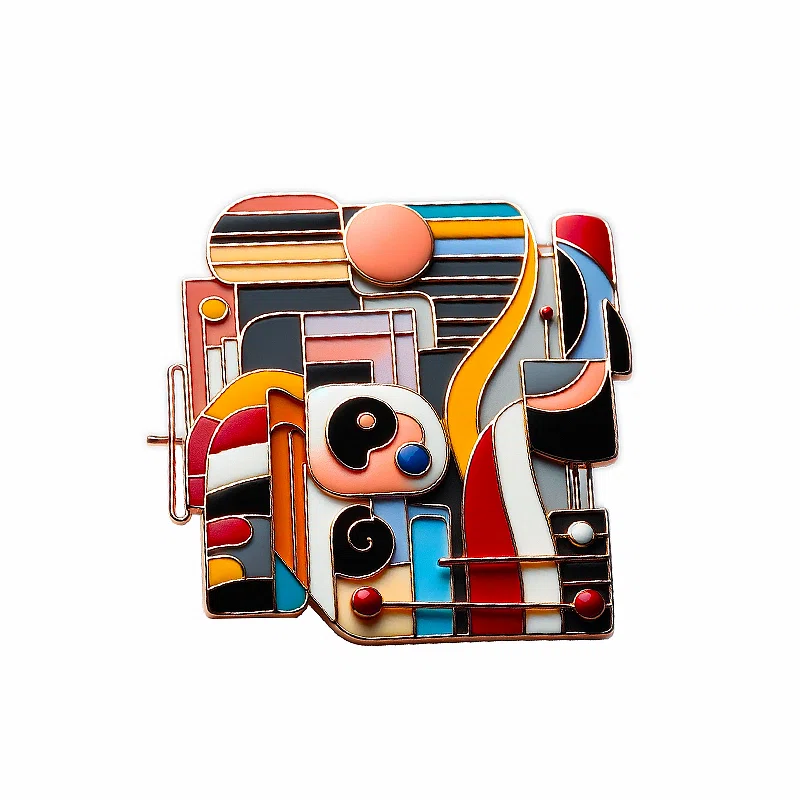
Enamel Brooches
Enamel brooches feature colorful, glossy finishes and are often used to depict intricate designs, ideal for adding a pop of color to any outfit.
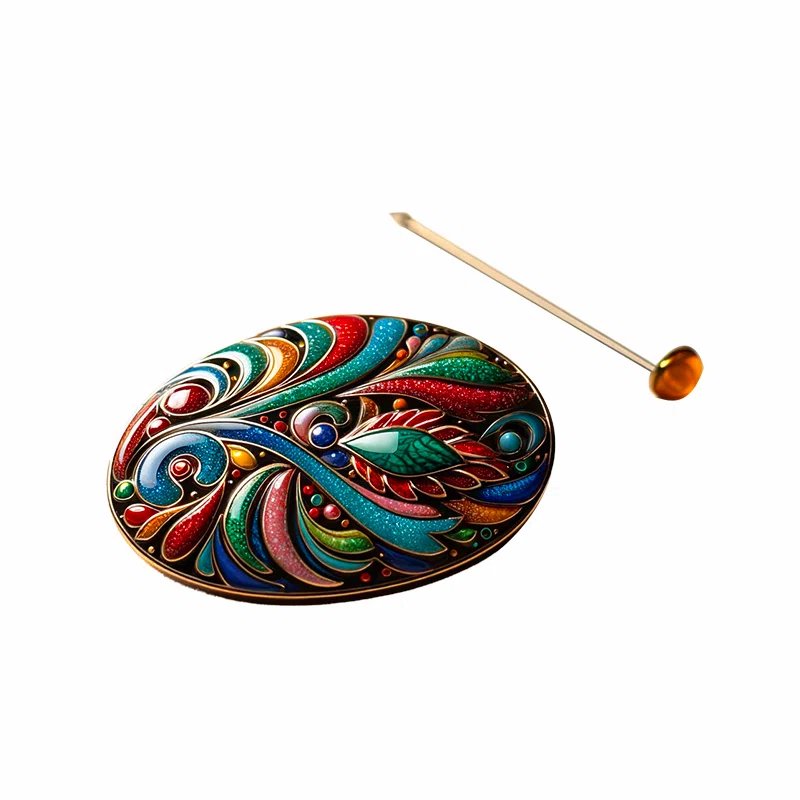
Types of Lapel Pins
Lapel pins, ranging from subtle to statement-making, are versatile accessories that can reflect personal style, professional allegiance, or creative expression. They are equally suited for formal business settings and casual social gatherings, with each type catering to different preferences and occasions.
Enamel Lapel Pins
Bright and colorful, these pins are coated with enamel for a vibrant and durable finish.
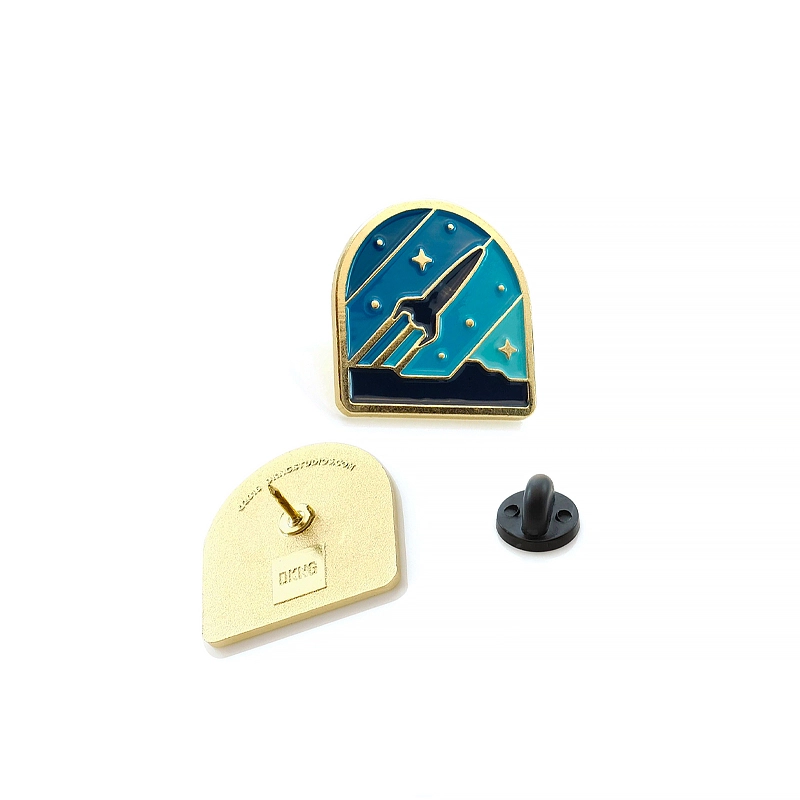
Die Struck Lapel Pins
Featuring raised and recessed areas created by stamping, offering a classic and elegant look.
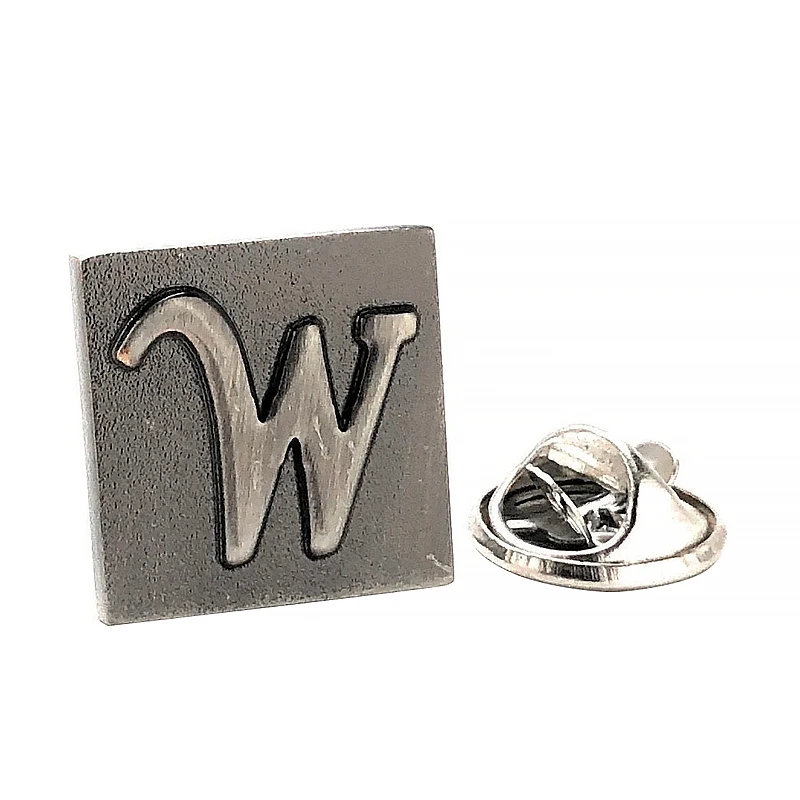
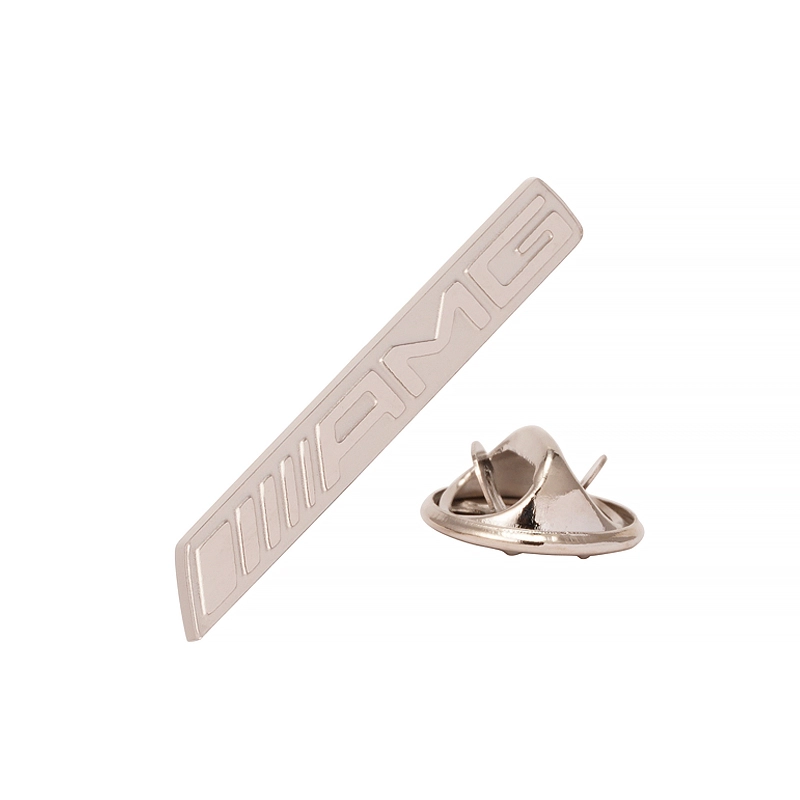
Stainless Steel Lapel Pins
Made with durable stainless steel, these pins offer a modern and sleek appearance.
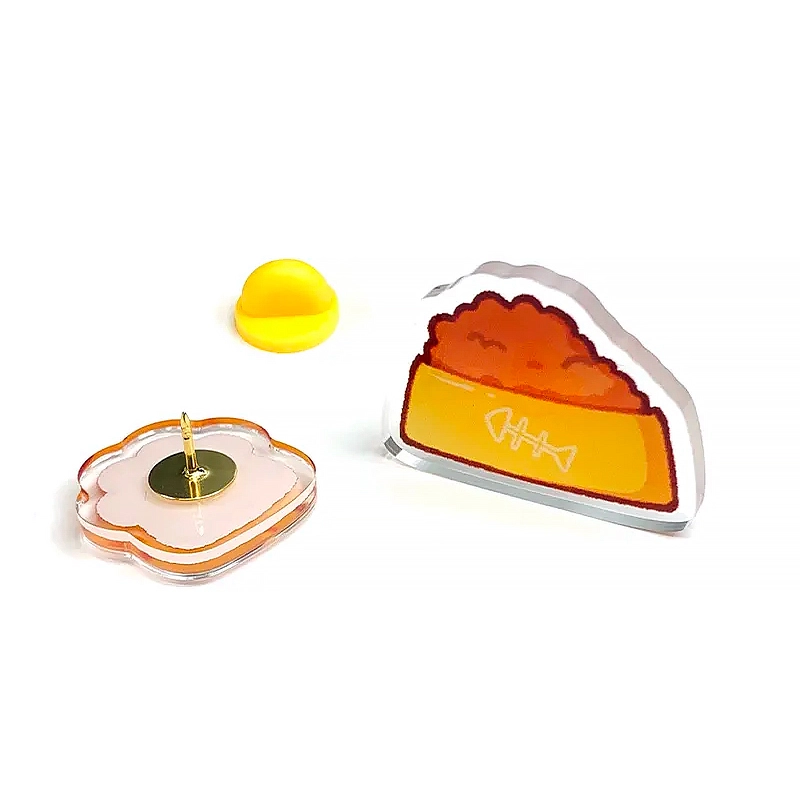
Acrylic Lapel Pins
Lightweight and versatile, available in a variety of shapes and vibrant colors for a contemporary look.
Novelty Lapel Pins
These pins are all about fun and creativity, often featuring quirky designs, pop culture references, or humorous elements, perfect for casual and informal events.
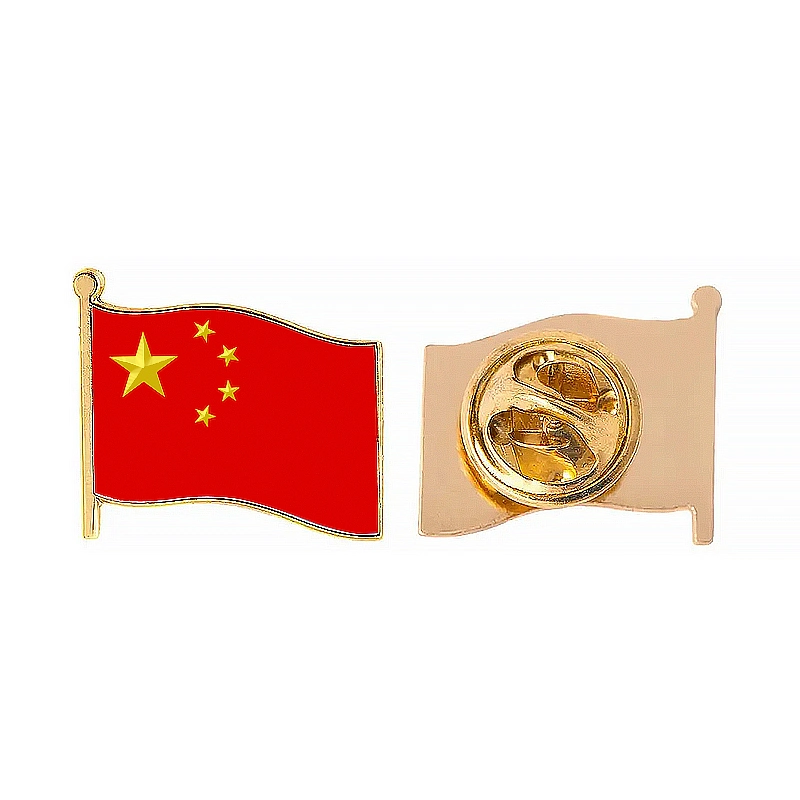
Flag Lapel Pins
Representing countries or regions, flag lapel pins are a subtle way to show patriotism or cultural affinity, often worn by diplomats and global travelers.
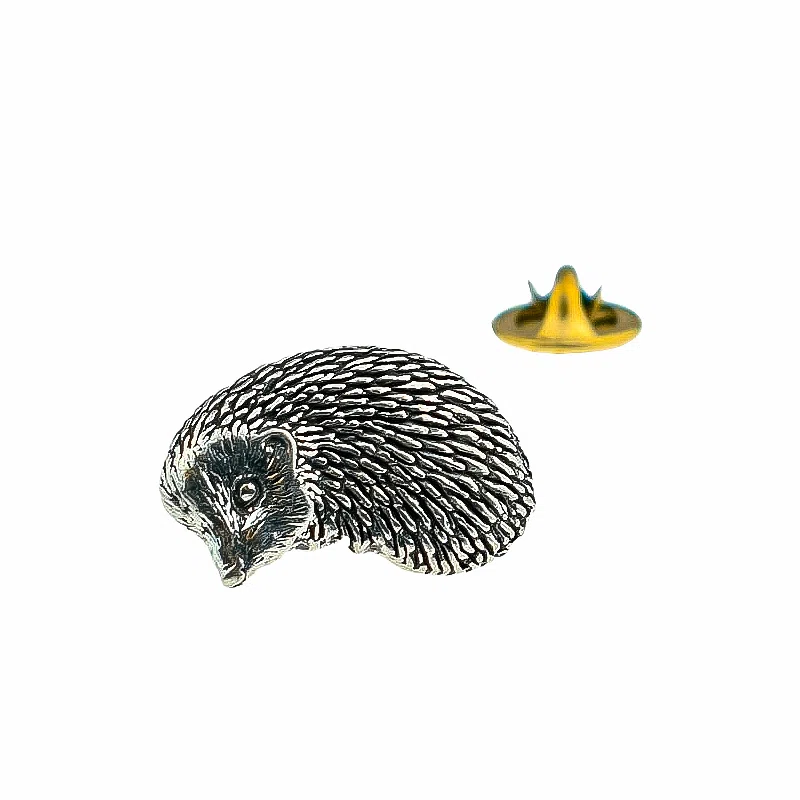
Floral Lapel Pins
Floral designs range from realistic depictions to stylized interpretations, adding a natural and artistic touch to any ensemble.
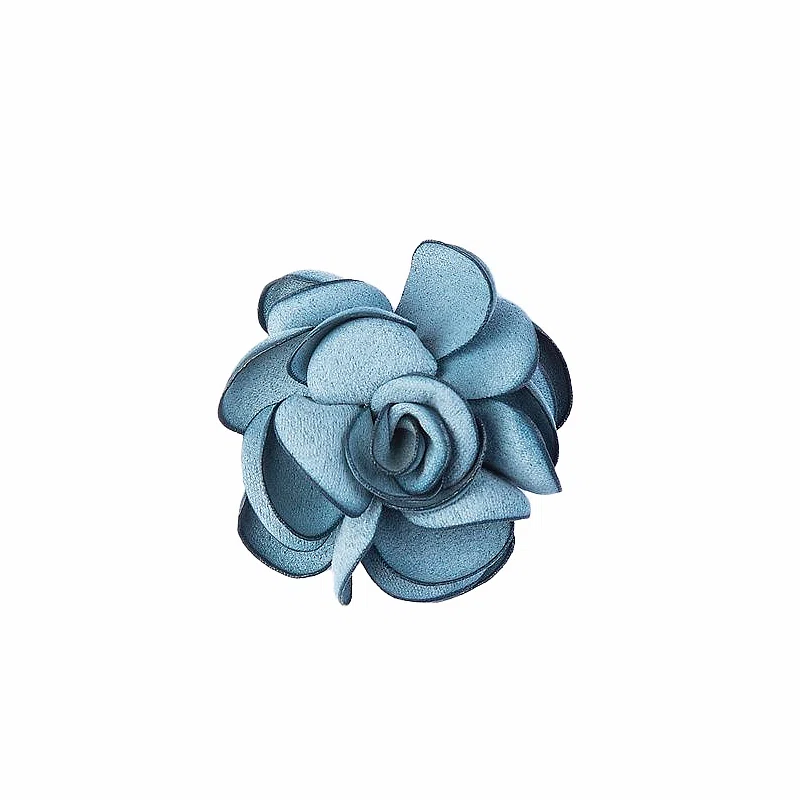
Vintage Lapel Pins
Offering a glimpse into the past, vintage lapel pins are sought after for their classic appeal and historical significance.
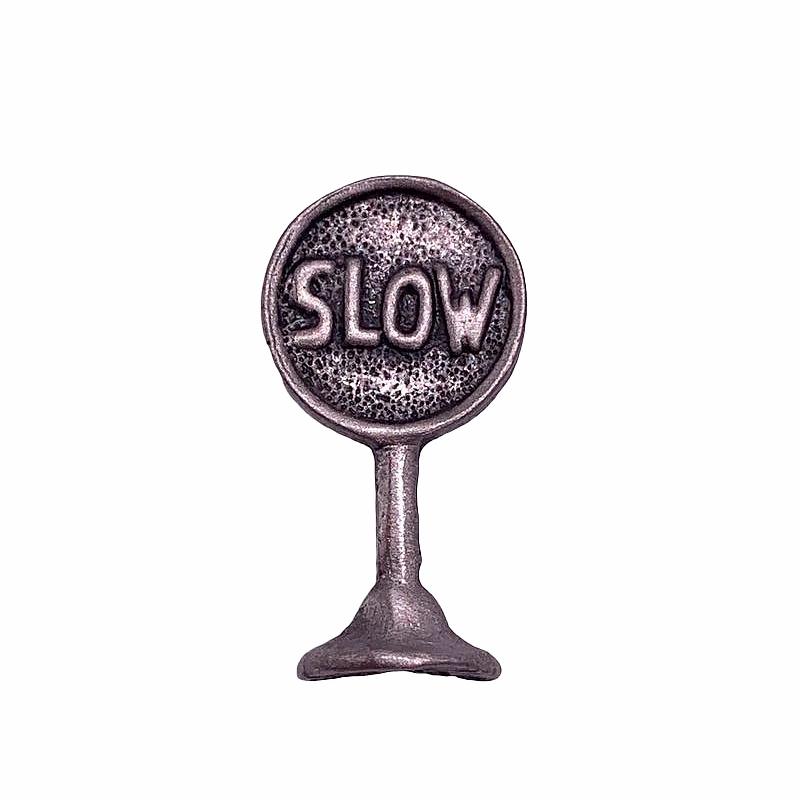
Monogram Lapel Pins
Monogram lapel pins feature initials or personalized designs, offering a bespoke touch to personal branding or as a thoughtful custom gift.
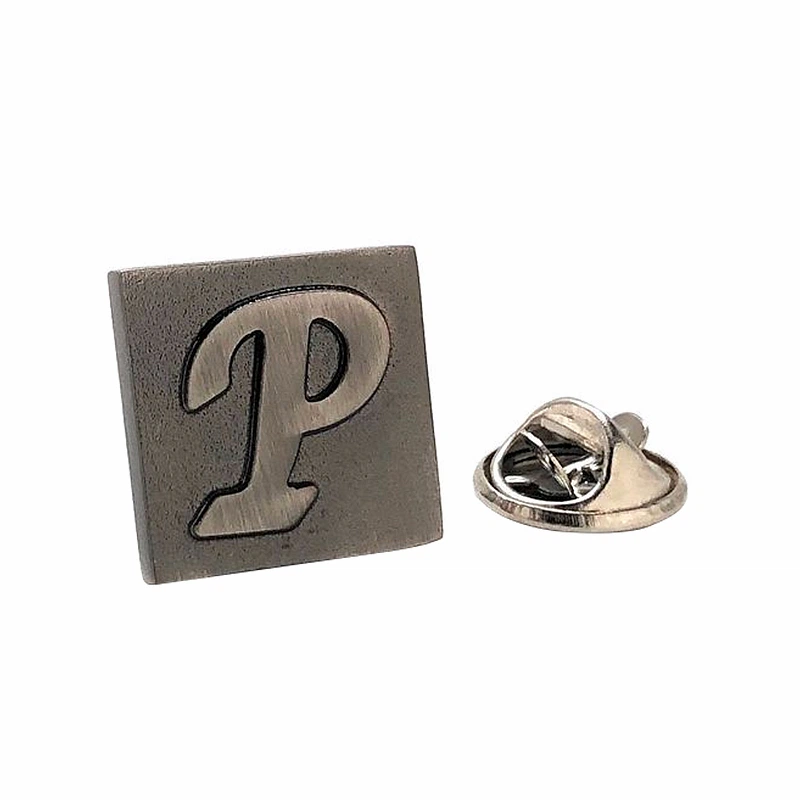
Cause and Awareness Lapel Pins
These pins symbolize support or advocacy for various causes, such as ribbons for cancer awareness, making them both meaningful and impactful.

Corporate Lapel Pins
Used by companies to denote identity or achievement, these pins often bear a company’s logo, perfect for corporate events and team building.
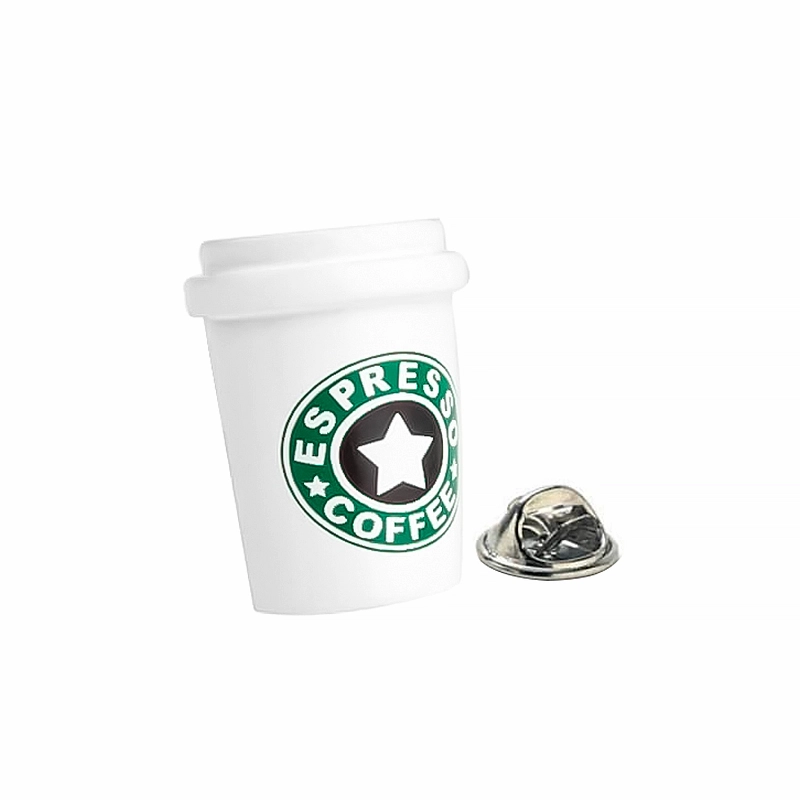
Types of Badge Pins
Badge pins serve as powerful tools for branding, identification, and recognition. They play a pivotal role in various settings, from corporate environments to social movements. Each type of badge pin has its own unique purpose and design.
Logo Badge Pins
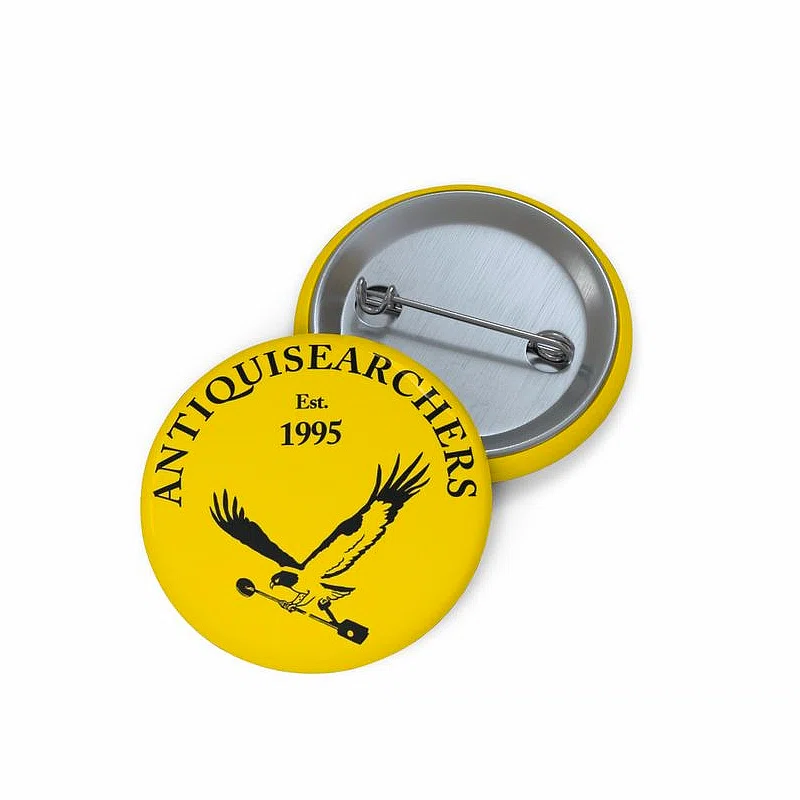
These pins feature company or brand logos and are often used in corporate settings for branding or as part of employee uniforms.
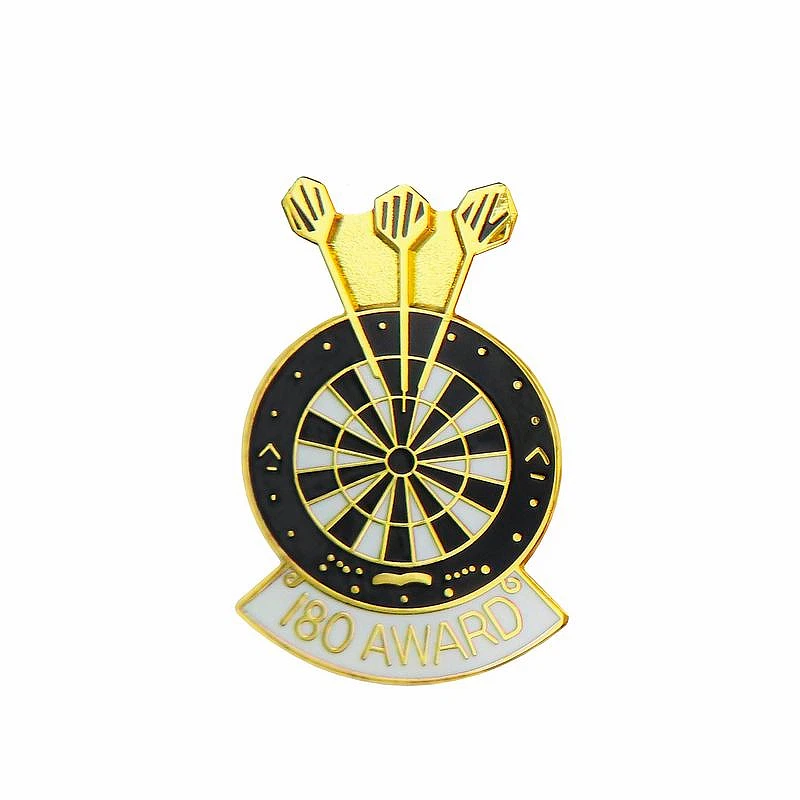
Award Badge Pins
Used to recognize achievements or milestones, award pins are commonly given in professional or educational settings.
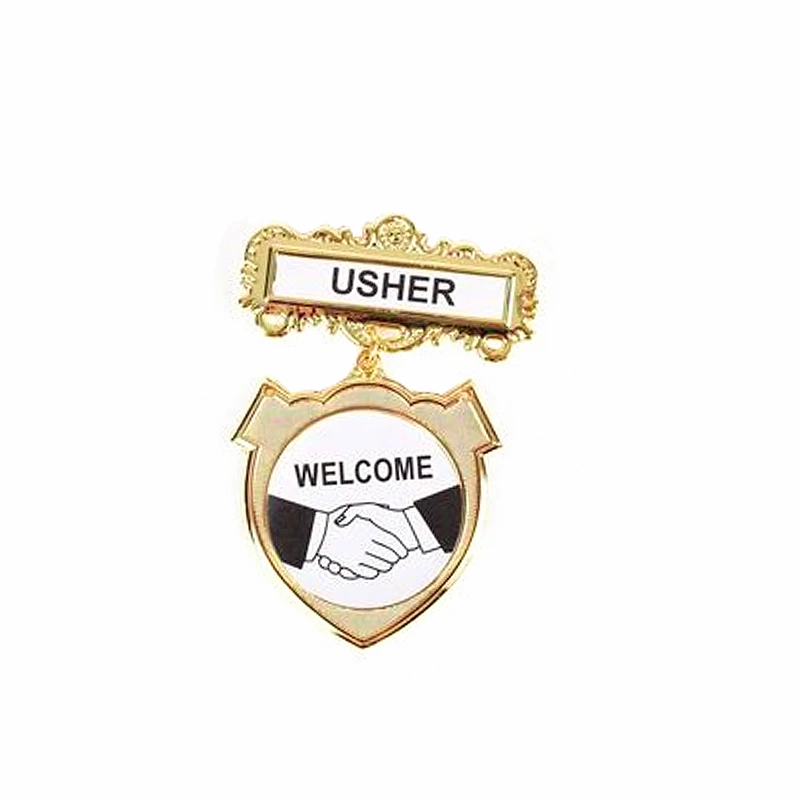
Identification Badge Pins
Ideal for distinguishing members, employees, or participants, these pins often include names, titles, or roles.
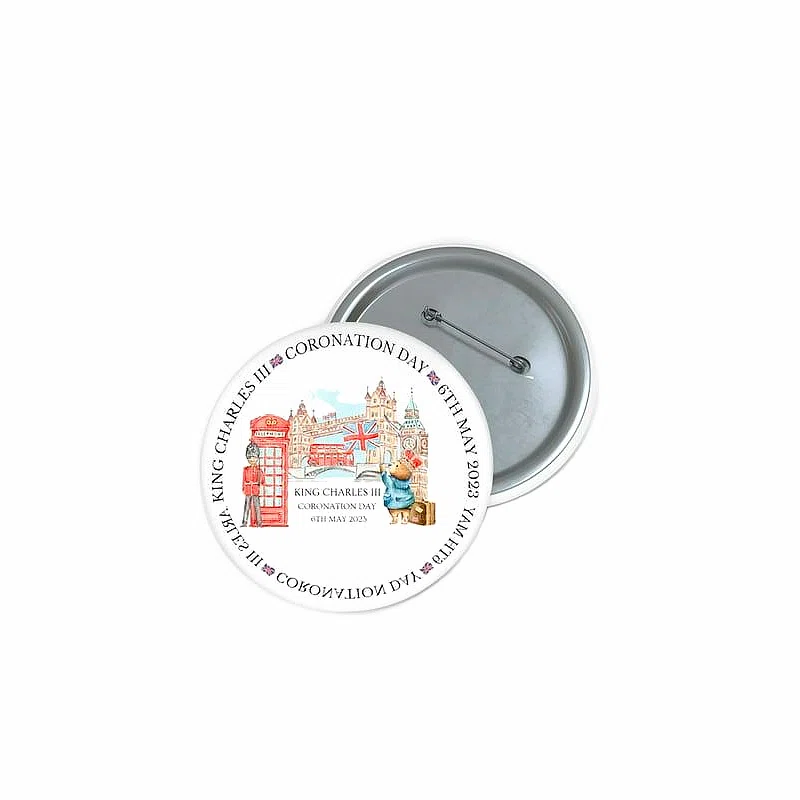
Commemorative Badge Pins
Celebrating significant events, anniversaries, or historical milestones, these pins are often kept as keepsakes or memorabilia.
Cause and Advocacy Badge Pins
Representing various social causes or movements, these pins are worn to show support or raise awareness.
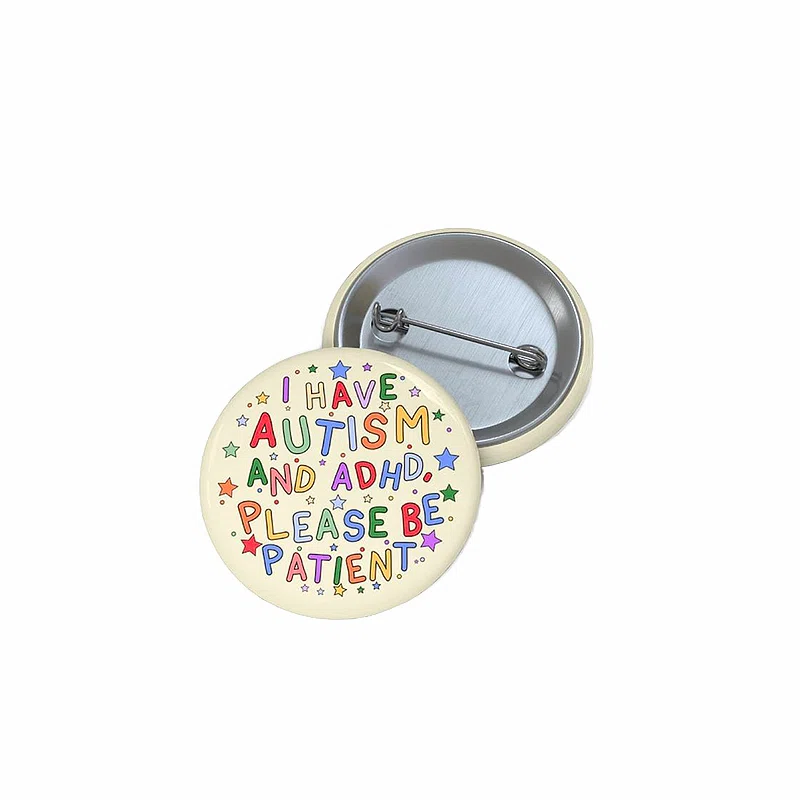
Event Badge Pins
Specifically made for events like conferences, festivals, or sporting events, offering a tangible reminder of the experience.
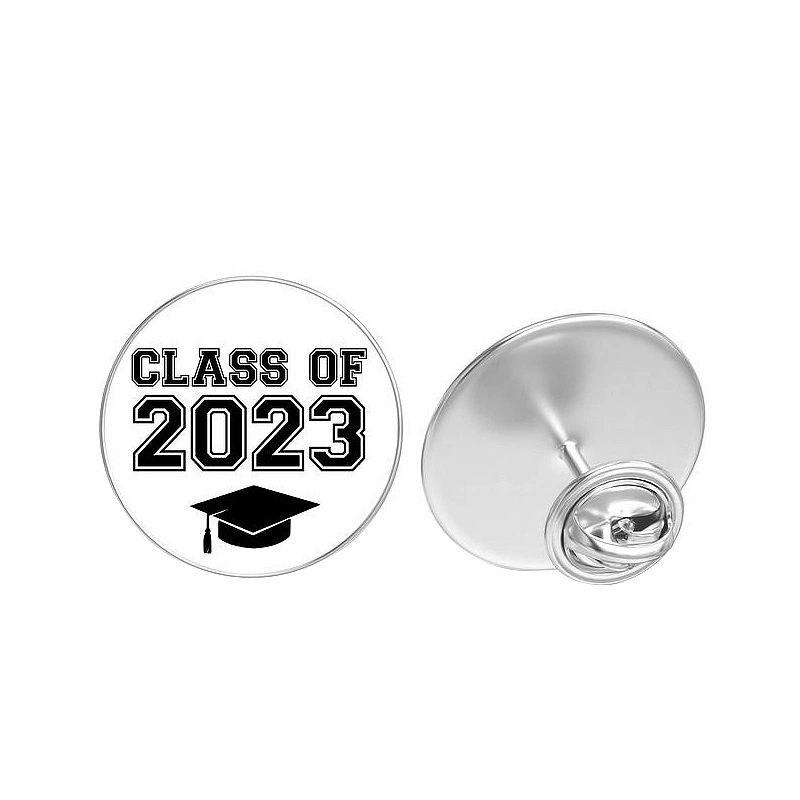
Political Badge Pins
Used in political campaigns or movements, these pins often feature slogans, symbols, or images of candidates.
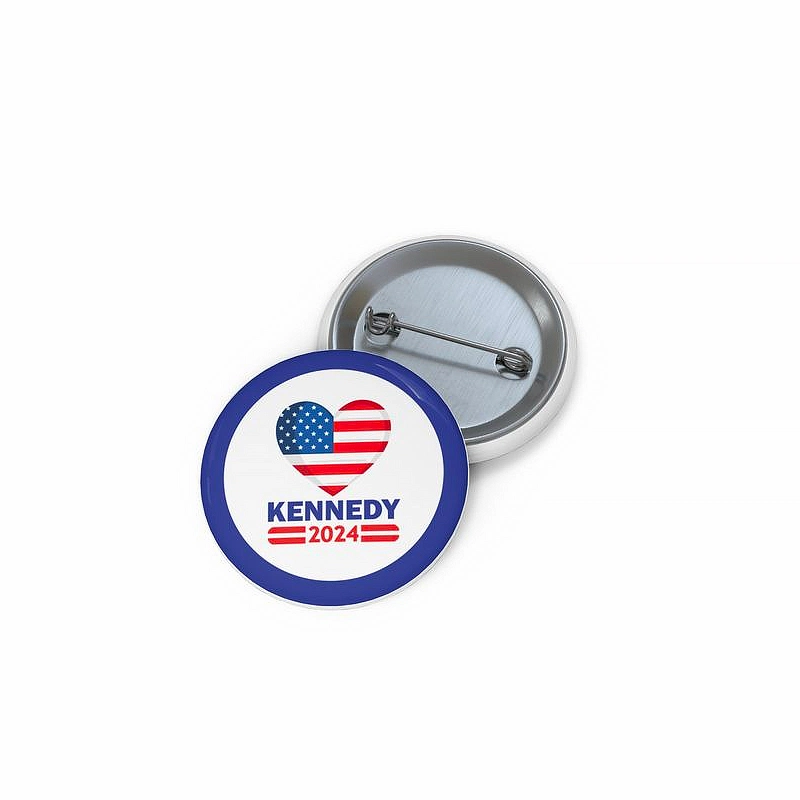
Service Badge Pins
Acknowledging years of service or dedication, often used by organizations to honor long-term commitment.
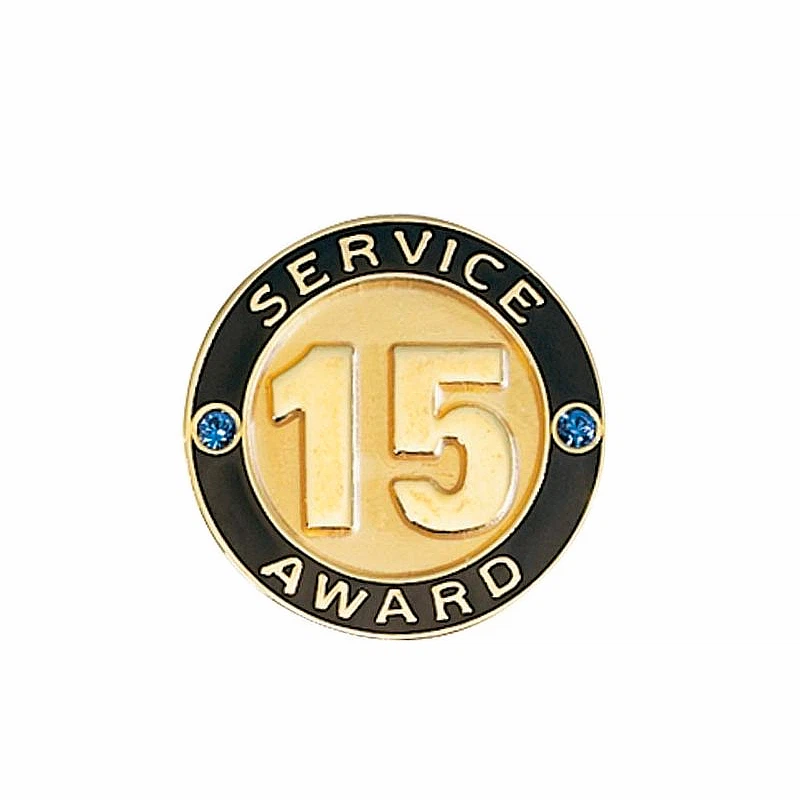
Types of Stick Pins
Stick pins are a blend of functionality and style, ranging from antique pieces with historical significance to modern designs that suit contemporary fashion. They are not only decorative but also practical in securing items like ties, scarves, or lapels.
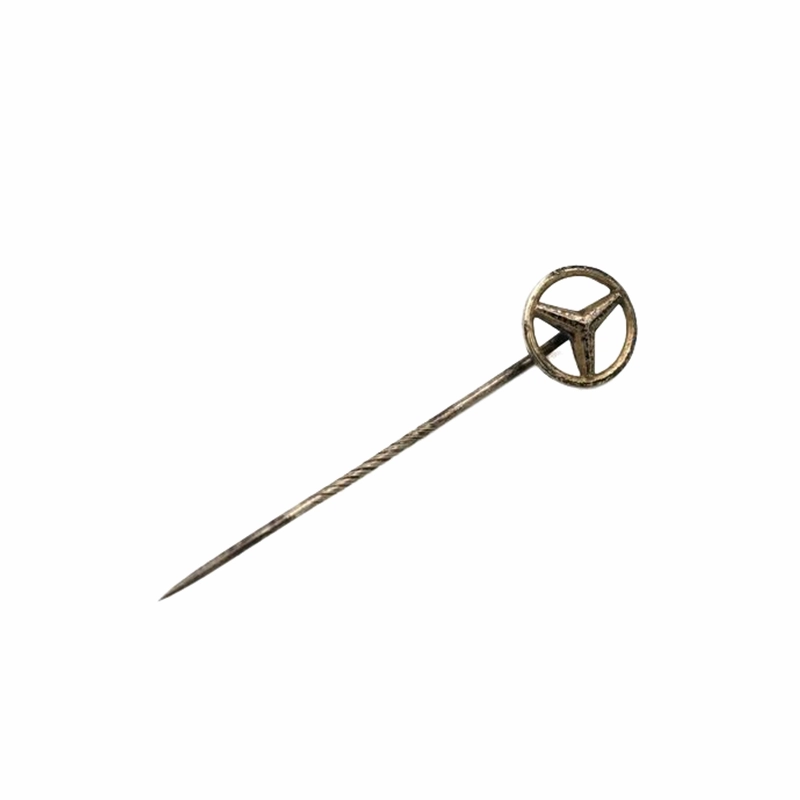
Antique Stick Pins
Featuring classic designs from bygone eras, these pins are valued for their vintage charm and historical craftsmanship.
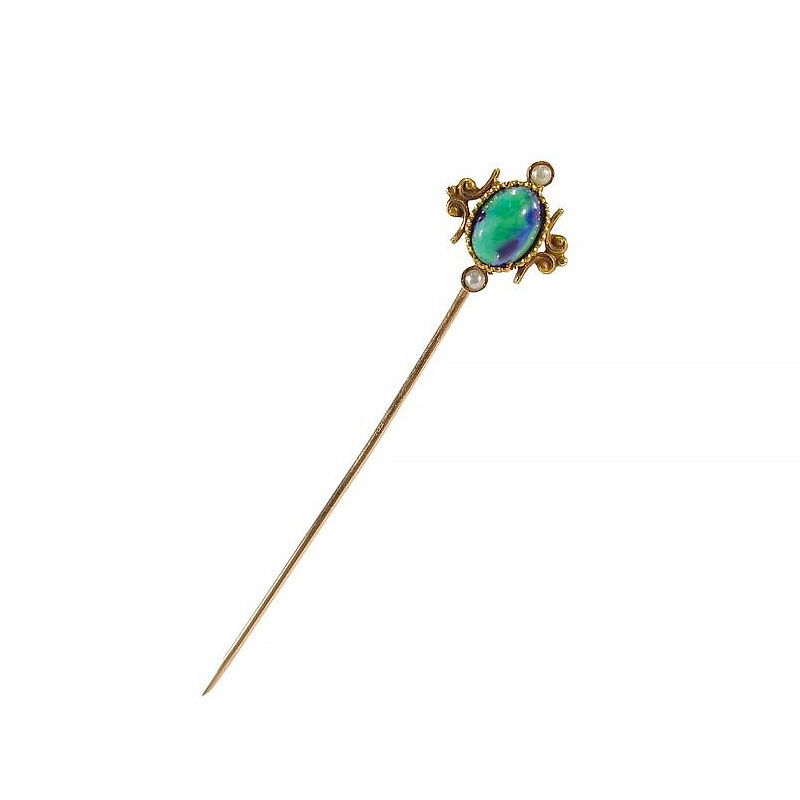
Gemstone Stick Pins
Adorned with precious or semi-precious stones, these pins add a touch of luxury and are often used in formal settings.
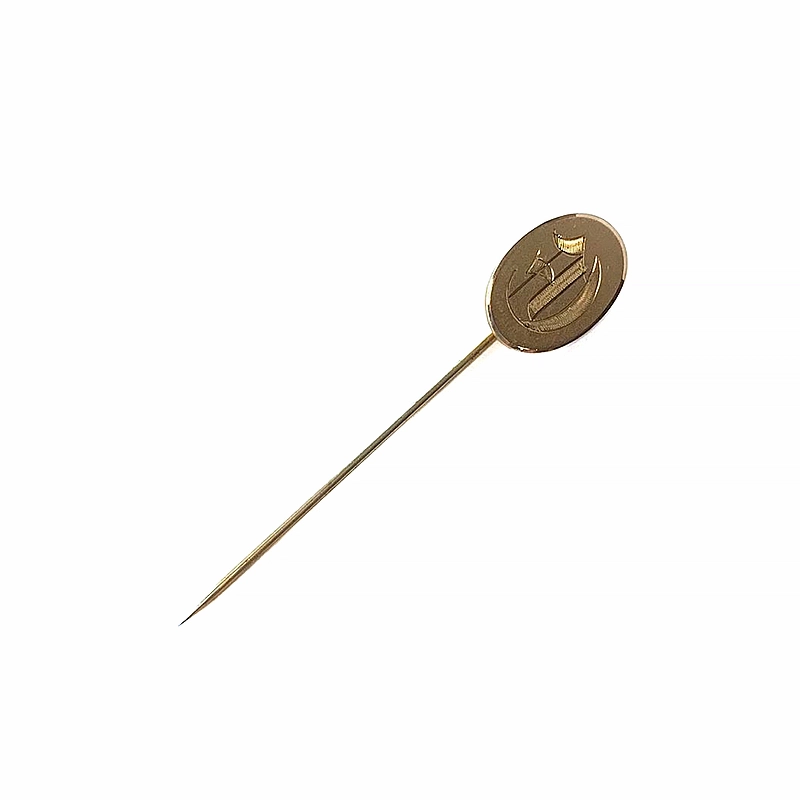
Engraved Stick Pins
Offering a personalized touch with engraved designs or messages, ideal for gifts or personal keepsakes.
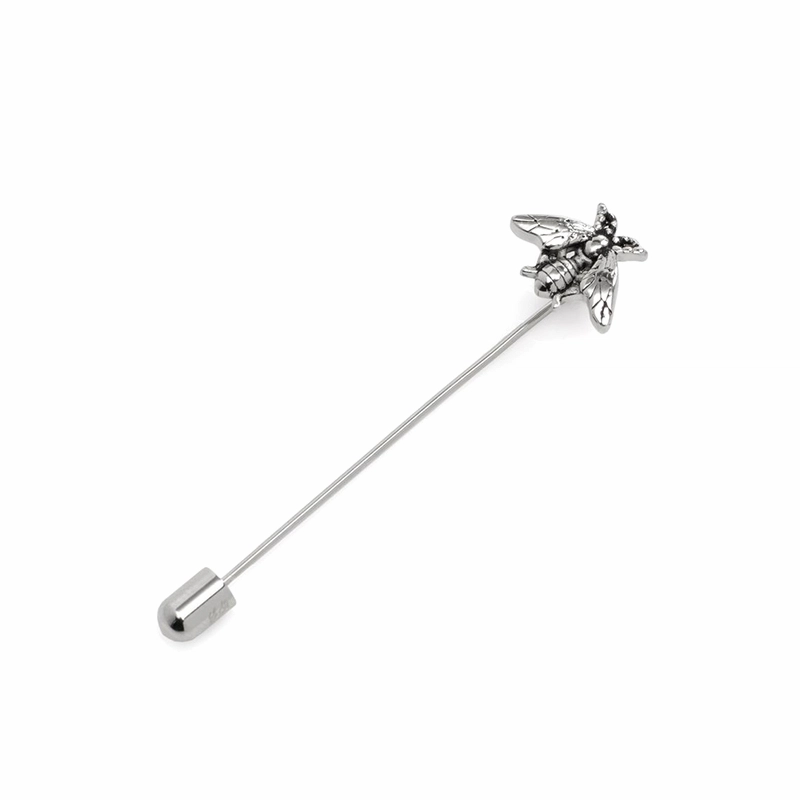
Novelty Stick Pins
Featuring fun, unusual, or whimsical designs, perfect for casual wear or as conversation starters.
Conclusion
In exploring the diverse world of decorative pins, we uncover their profound impact on fashion and identity. Each type, from elegant brooches and subtle lapel pins to meaningful badge pins and practical stick pins, enriches personal style and conveys unique messages.
These accessories are not just fashion statements but symbols of individuality and creativity. They offer a way to celebrate personal history and express oneself in the ever-changing landscape of fashion, demonstrating their timeless appeal and versatility.


Andy is a renowned expert in fashion jewelry manufacturing with deep industry insights. He provides OEM/ODM services to fashion brands and jewelers, turning ideas into tangible products. In addition to quality, Andy provides strategic advice on market trends and manufacturing innovations to help clients stand out in a competitive marketplace.