
Khóa cài dây chuyền không chỉ đơn thuần là bộ phận đóng mở. Cơ chế, kích thước, điểm gắn, chất liệu hoàn thiện và cảm giác khi sử dụng đều ảnh hưởng đến độ chắc chắn của dây chuyền, độ dễ đeo và sự cân đối giữa khóa cài với dây chuyền hoặc mặt dây chuyền.
Hướng dẫn này so sánh tám loại khóa dây chuyền phổ biến và giải thích cách lựa chọn giữa chúng cho một dự án trang sức thiết kế riêng. Câu trả lời đúng phụ thuộc vào trọng lượng dây chuyền, đầu dây, người đeo, hướng thiết kế và mẫu đã được phê duyệt—chứ không phải một loại khóa nào đó được coi là “tốt nhất” trong mọi trường hợp.
Tổng quan về các loại khóa dây chuyền
| Loại móc cài | Cách nó đóng cửa | Thiết kế phù hợp phổ biến | Những điều cần kiểm tra trên mẫu vật |
|---|---|---|---|
| Kẹp tôm hùm | Cần gạt lò xo giúp đóng cánh cổng có bản lề. | Nhiều loại dây chuyền và mặt dây chuyền thông dụng hàng ngày. | Cổng trả về, tay nắm điều chỉnh, khớp vòng cuối, hoàn thiện xung quanh các khu vực chuyển động. |
| Khóa vòng lò xo | Cò nhỏ giúp thu hồi vòng lò xo. | Dây chuyền mảnh hoặc nhẹ | Truy cập bằng cơ chế kích hoạt, đóng hoàn toàn, căn chỉnh vòng, thang đo |
| chuyển đổi khóa | Một thanh xuyên qua một vòng tròn. | Các chi tiết nổi bật và khóa cài lộ rõ. | Tỷ lệ thanh-vòng, độ căng xích, hướng, độ thoải mái khi sử dụng |
| khóa nam châm | Hai nửa nam châm khớp với nhau và hút nhau. | Thiết kế dễ sử dụng, phù hợp với từng trường hợp cụ thể. | Sự thẳng hàng, hướng kéo, trọng lượng vòng cổ, độ chắc chắn của móc cài |
| Khóa móc chữ S | Móc cong khớp với vòng hoặc vòng ở đầu. | phong cách thủ công, trang trí hoặc cố ý làm nổi bật | Độ mở của lưỡi câu, hình dạng đầu lưỡi, nguy cơ vướng mắc, sự cân bằng |
| Khóa hộp | Một lưỡi lò xo trượt vào và khóa chặt bên trong hộp. | Khóa cài nhiều sợi, dạng vòng tay hoặc trang trí. | Nhấn và thả, căn chỉnh lưỡi, khóa an toàn bên hông, căn chỉnh sợi |
| Khóa thùng | Hai nửa có ren được vặn vào nhau. | Dây chuyền đối xứng và một số kiểu dây hoặc xích. | Sự ăn khớp của chỉ, khe hở xoay, đường may, sự gắn kết |
| Khóa móc câu cá | Một móc định hình trượt và khóa vào thân trang trí. | Chuỗi ngọc trai và các thiết kế hướng đến trang phục. | Đường dẫn lắp đặt, độ bám giữ, điều kiện bề mặt, thao tác bằng một tay |
Bảng trên chỉ là điểm khởi đầu. Hai chiếc khóa cài có cùng tên có thể khác nhau về kích thước, độ dày thành, cơ chế lò xo, hình dạng khớp nối, chất liệu và quy trình mạ. Luôn luôn kiểm tra kỹ chiếc khóa cài thực tế cùng với toàn bộ dây chuyền.
Khóa cài dây chuyền gồm những bộ phận nào?
Thuật ngữ " khóa cài" thường dùng để chỉ toàn bộ hệ thống khóa, chứ không chỉ riêng bộ phận chuyển động. Tùy thuộc vào thiết kế, hệ thống đó có thể bao gồm thân khóa, chốt hoặc lưỡi khóa, lò xo, cần gạt, vòng cuối, vòng nối, tai móc xích, nắp chụp cuối, vòng hàn hoặc các bộ phận kết nối khác. Các giao diện này rất quan trọng vì một chiếc khóa cài có thể hoạt động chính xác khi đứng riêng lẻ nhưng vẫn không phù hợp với dây chuyền.
- Thân khóa: phần vỏ hoặc móc chính có thể nhìn thấy.
- Bộ phận vận hành: Cần gạt, chốt, cò, lưỡi, ren, móc hoặc nam châm giúp cho cơ chế đóng mở hoạt động.
- Điểm gắn kết: Vòng hoặc chi tiết cuối cùng kết nối khóa cài với dây chuyền, dây thừng, sợi hoặc nắp bịt đầu.
- Bộ phận ghép nối: Vòng, móc, hộp, thanh hoặc nửa còn lại dùng để gắn khóa.
Để có cái nhìn tổng quan hơn về các thành phần, hãy xem hướng dẫn của Baique về các phụ kiện, khóa cài và khớp nối trang sức.
Tám loại khóa cài dây chuyền phổ biến
1. Khóa càng cua
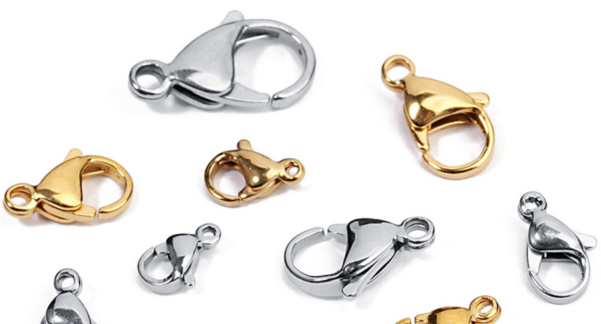
Móc cài hình càng cua có một chốt bản lề được điều khiển bởi một cần gạt nhỏ và lò xo bên trong. Nó được sử dụng rộng rãi vì mang lại sự nhỏ gọn, tiện dụng và có nhiều kích thước và chất liệu hoàn thiện khác nhau. Móc cài hình càng cua có thể phù hợp với trang sức cao cấp, trang sức thời trang, vòng cổ mặt dây chuyền và dây chuyền nặng hơn khi kích thước và cấu tạo của nó phù hợp với tổng thể.
Kiểm tra xem cần gạt có dễ tiếp cận không, cửa mở trơn tru và cửa trở lại hoàn toàn sát vào thân sau khi nhả ra. Đồng thời xác nhận rằng vòng khớp có thể lọt vào khe hở mà không cần dùng lực và không bị trượt qua bất kỳ khe hở không mong muốn nào. Lớp mạ tích tụ, việc đánh bóng xung quanh cửa hoặc sự căn chỉnh kém có thể làm thay đổi cảm giác vận hành, vì vậy hãy đánh giá một mẫu hoàn chỉnh thay vì chỉ dựa vào bản vẽ linh kiện.
2. Khóa vòng lò xo
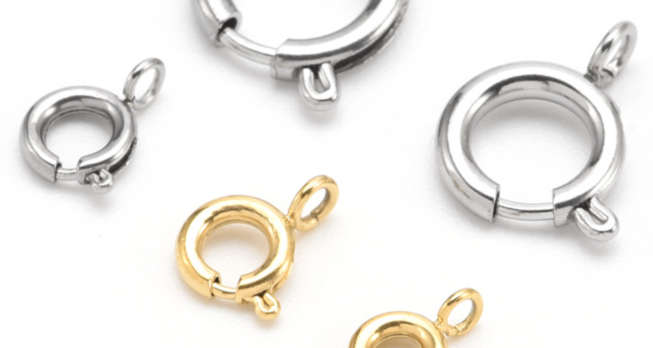
Khóa vòng lò xo sử dụng một cơ cấu nhỏ để thu lại một phần của vòng tròn. Trọng lượng nhẹ của nó khiến nó trở thành lựa chọn phổ biến cho các dây chuyền mảnh và vòng cổ tinh tế. Vì bộ phận thao tác nhỏ, nên kích thước trông phù hợp trên vòng cổ có thể không phải là kích thước dễ sử dụng nhất cho mọi người đeo.
Trong quá trình kiểm tra mẫu, hãy mở và nhả chốt nhiều lần, xác nhận rằng vòng khóa đóng hoàn toàn và kiểm tra khớp nối giữa khóa và dây chuyền. Nếu sử dụng dây nối dài hoặc thẻ dây chuyền có thương hiệu, hãy kiểm tra xem vòng tiếp nhận của nó có khớp với khe hở của khóa và không làm xoắn dây chuyền vào vị trí khó chịu hay không.
3. Khóa gài
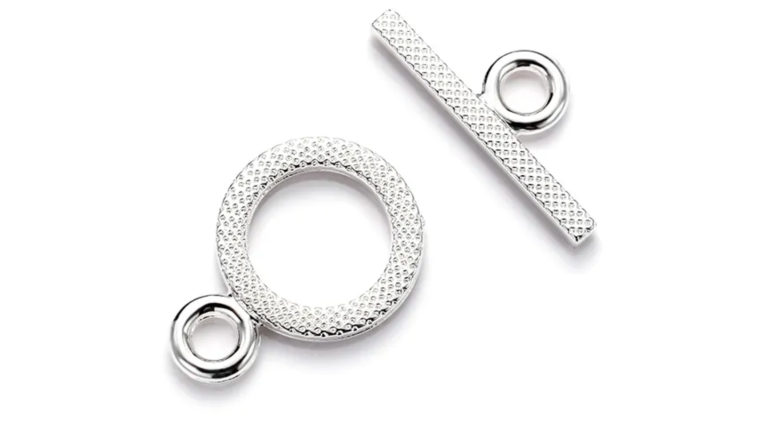
Móc cài kiểu gạt kết hợp một thanh dài với một vòng tròn. Thanh này xuyên qua vòng tròn và nằm ngang qua nó khi dây chuyền chịu lực căng bình thường. Móc cài kiểu gạt thường được thiết kế để lộ ra ngoài và có thể trở thành một phần của thiết kế, đặc biệt là trên các dây chuyền nổi bật, dây chuyền mặt dây chuyền và các kiểu dây chuyền cài phía trước.
Thanh móc phải đủ dài so với vòng, nhưng chỉ riêng tỷ lệ không quyết định liệu khóa móc có phù hợp hay không. Hãy kiểm tra xem dây chuyền có rủ xuống như thế nào, liệu độ chùng có thể khiến thanh móc xoay ngược trở lại qua vòng hay không, liệu thanh móc có bị vướng vào quần áo hay không, và liệu hướng nhìn thấy được có phù hợp với thiết kế hay không. Cần đánh giá khóa móc trên dây chuyền đã lắp ráp ở các tư thế đeo thực tế.
4. Khóa từ
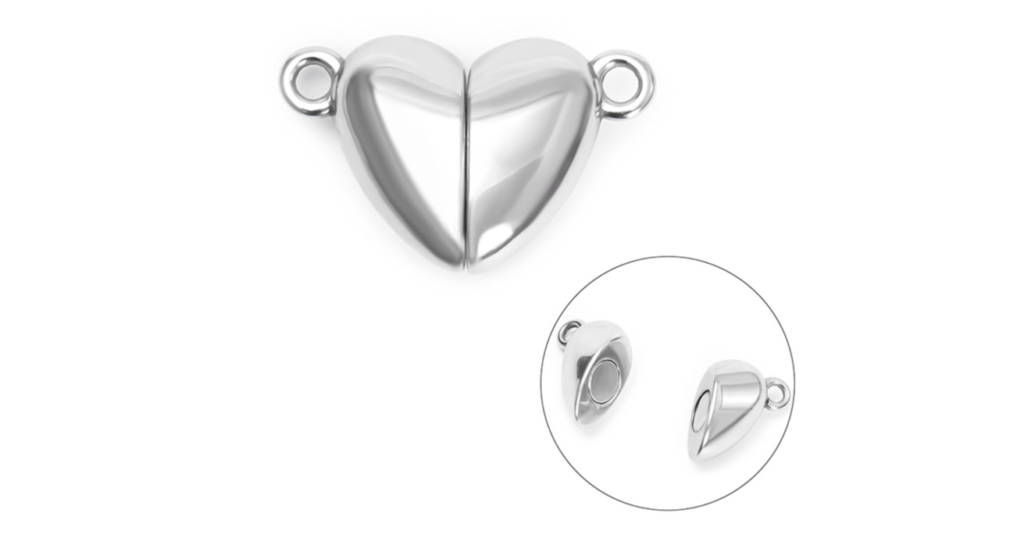
Khóa từ sử dụng hai nửa khớp với nhau, hút và thẳng hàng. Nó có thể giúp việc đóng dây chuyền dễ dàng hơn, nhưng tính phù hợp phụ thuộc vào trọng lượng của dây chuyền, hướng kéo dự kiến, người đeo và môi trường sử dụng. Không nên chỉ chọn loại khóa này vì cảm thấy tiện lợi khi thử nhanh trên bàn làm việc.
Kiểm tra toàn bộ cụm lắp ráp về độ thẳng hàng, khả năng tách rời, độ an toàn của đầu nối và cách hai nửa khớp với nhau sau khi mạ hoặc hoàn thiện. Nếu bộ phận đóng mở có thêm cơ chế xoắn, chốt hoặc ống bọc phụ, hãy bao gồm cả tính năng đó trong quá trình kiểm tra hoạt động. Cần xem xét các yêu cầu về an toàn và thị trường cụ thể của sản phẩm đối với thiết kế thực tế và mục đích sử dụng dự định.
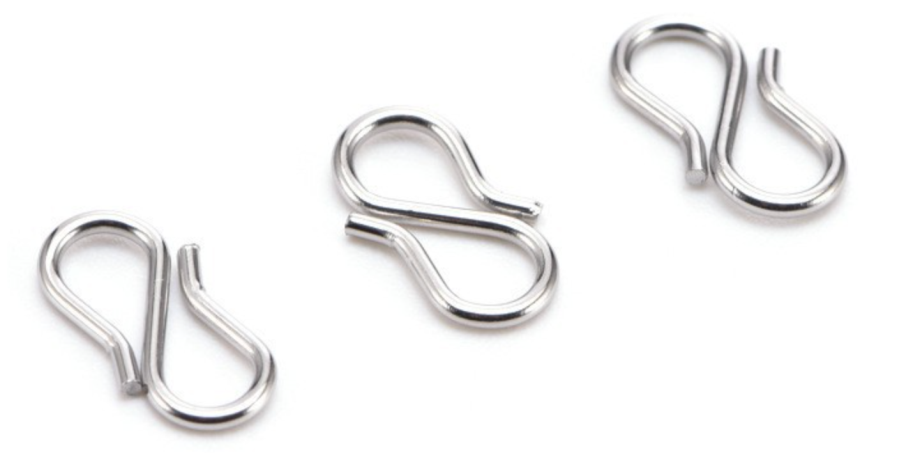
5. Khóa móc chữ S
Móc chữ S là một loại móc cong dùng để móc vào một hoặc hai vòng hoặc khuyên. Nó có thể tạo nên vẻ ngoài thủ công, tối giản hoặc trang trí và có thể được đặt ở vị trí nổi bật. Hình dạng mở của nó cũng có nghĩa là cần phải xem xét kỹ lưỡng độ mở của móc, hình dạng đầu móc và độ căng của dây chuyền.
Kiểm tra xem móc có thể hoạt động trơn tru mà không có cạnh sắc nhọn, các đầu của nó không bị vướng và vòng khớp nối nằm đúng vị trí dự định. Mẫu cũng cần cho thấy liệu chuyển động bình thường có tạo ra đủ độ chùng để tránh bị bung ra ngoài ý muốn hay không. Nếu móc được chế tạo theo hình dạng tùy chỉnh, hãy phê duyệt hình chiếu cạnh và phần mở cũng như hình dáng phía trước của nó.
6. Khóa hộp
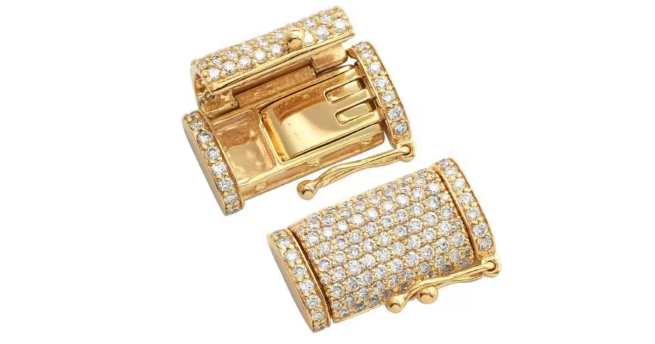
Khóa hộp có một lưỡi lò xo trượt vào trong một khung và khóa lại. Nó có thể nhỏ gọn và đơn giản hoặc được chế tác như một chi tiết trang trí lớn. Khóa hộp thường được sử dụng cho vòng cổ nhiều sợi, chuỗi ngọc trai, vòng tay và các thiết kế mà phần khóa phải giữ cho nhiều đường thẳng hàng.
Kiểm tra xem lưỡi khóa có khớp thẳng và dễ tháo ra không. Xác nhận rằng đường nối vỏ, mặt trang trí, các vòng dây và bất kỳ tính năng an toàn phụ nào đều thẳng hàng. Nên kiểm tra khóa sau khi đã lắp ráp xong vòng cổ vì độ căng của dây và sự thẳng hàng của đầu khóa có thể ảnh hưởng đến độ trơn tru khi khóa khớp vào.
7. Khóa hình trụ
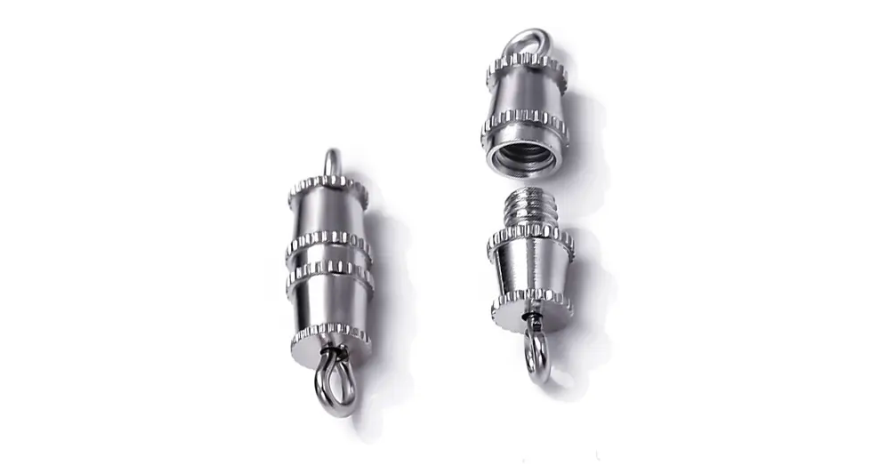
Khóa hình trụ sử dụng hai nửa có ren vặn vào nhau để tạo thành một khóa tròn hoặc hình trụ. Nó tạo ra vẻ ngoài đối xứng và được sử dụng trên một số loại dây chuyền, dây đeo và vòng cổ đính hạt. Cách sử dụng thường yêu cầu xoay một nửa trong khi giữ chặt nửa còn lại.
Kiểm tra xem các đường chỉ bắt đầu trơn tru, ăn khớp mà không bị lệch chỉ và tạo thành đường may đều. Xác nhận rằng người dùng có đủ không gian để cầm cả hai nửa và dây xích hoặc dây buộc kèm theo không cản trở sự xoay chuyển. Cần kiểm tra các vòng hoặc nắp ở hai đầu để đảm bảo sự thẳng hàng và độ che phủ hoàn thiện.
8. Khóa móc câu cá
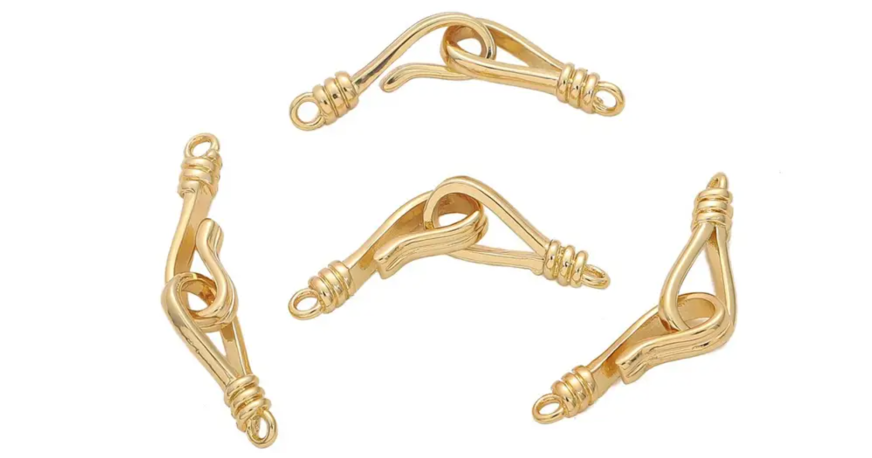
Khóa móc câu sử dụng một chiếc móc có hình dạng đặc biệt, trượt vào và được giữ cố định bởi một thân khóa trang trí. Loại khóa này thường được dùng với chuỗi ngọc trai và đồ trang sức đeo khi mặc lễ phục vì phần khóa có thể được tích hợp vào hình thức trang trí thay vì xuất hiện như một phần cứng riêng biệt.
Kiểm tra đường đi của móc cài, điểm giữ móc và chuyển động nhả. Tìm kiếm các cạnh thô ráp, sự hạn chế chuyển động sau khi hoàn thiện và các khe hở làm thay đổi hình dáng dự định. Vì cơ chế này có thể ít quen thuộc hơn so với móc cài hình càng cua hoặc móc cài lò xo, nên việc người dùng thao tác là một bước kiểm tra mẫu quan trọng.
Khóa càng cua so với khóa vòng lò xo
Khóa càng cua và khóa vòng lò xo đều là những loại khóa nhỏ gọn hoạt động bằng lò xo, nhưng chúng không thể thay thế cho nhau trong mọi thiết kế. Khóa càng cua thường có cần gạt và khe mở lớn hơn, trong khi khóa vòng lò xo có thể trông nhẹ nhàng hơn khi kết hợp với dây chuyền mảnh. Sự lựa chọn nên cân bằng giữa vẻ ngoài, chức năng và hình dạng của vòng nối.
| Yếu tố quyết định | Kẹp tôm hùm | Khóa vòng lò xo |
|---|---|---|
| Sự hiện diện trực quan | Thường thì có kích thước lớn hơn | Thường có màu sáng hơn và hình tròn hơn. |
| Bộ phận vận hành | Cần gạt bên ngoài mở cổng có bản lề. | Cò nhỏ giúp thu gọn một phần của chiếc nhẫn. |
| Sự kết hợp điển hình | Nhiều mức trọng lượng xích khác nhau | Dây chuyền mảnh và nhẹ |
| Kiểm tra mẫu chính | Khe hở vòng tiếp xúc và khe hở cổng | Kích hoạt chức năng truy cập và đóng vòng hoàn toàn. |
Đừng chỉ dựa vào tên gọi của khóa cài để quyết định. Hãy so sánh kích thước thực tế, cấu tạo, độ hoàn thiện và cảm giác khi lắp ráp của các bộ phận. Nếu dây chuyền có thêm phần nối dài hoặc thẻ thương hiệu, hãy đưa cả bộ phận đó vào quá trình so sánh.
Cách chọn khóa cài cho dây chuyền đặt làm riêng
Chọn khóa cài phù hợp với trọng lượng và độ rủ của dây chuyền.
Cần xem xét khóa cài như một phần của đường truyền lực từ đầu dây chuyền này đến đầu dây chuyền kia. Hãy kiểm tra trọng lượng của dây chuyền, vị trí mặt dây chuyền, số lượng sợi, độ cứng và cách lực căng tác động lên khóa cài. Một khóa cài nhỏ về mặt hình thức có thể không phù hợp với một sợi dây chuyền lớn, trong khi một khóa cài quá khổ có thể làm lu mờ một thiết kế tinh tế.
Kiểm tra đầu xích và hình dạng khớp nối.
Xác định cách thức kết nối của khóa cài: vòng nối hở hoặc hàn, tai móc xích, nắp chụp đầu, kẹp, vòng hoặc kiểu lắp ráp khác. Kiểm tra kích thước lỗ, đường kính dây, hướng vòng, khả năng tiếp cận dụng cụ và liệu việc nối hoặc hoàn thiện có thể cản trở chuyển động hay không. Hướng dẫn về các loại dây chuyền của Baique có thể giúp bạn định hình lựa chọn dây chuyền phù hợp.
Phê duyệt kinh nghiệm vận hành
Hãy xem xét vị trí của khóa cài, cách người dùng với tới, lực và chuyển động cần thiết để mở khóa, và liệu có thể đóng khóa bằng một tay hay không. Sự tiện lợi phụ thuộc vào trường hợp sử dụng: khóa từ, khóa gạt, khóa trụ và khóa hộp tạo ra các trình tự thao tác rất khác nhau.
Phối hợp chất liệu, lớp hoàn thiện và màu sắc
Khóa cài, dây chuyền, khoen nối, các chi tiết đầu cuối và các yếu tố trang trí cần được kiểm tra cùng nhau dưới ánh sáng đồng nhất. Sự khác biệt về vật liệu cơ bản, hướng đánh bóng, kết cấu, độ dày lớp mạ hoặc lô linh kiện có thể khiến các bộ phận cùng tên màu trông khác nhau. Các khớp nối chuyển động cũng cần có đủ khoảng hở sau khi hoàn thiện.
Hãy cân nhắc xem khóa cài được giấu kín hay lộ ra ngoài.
Móc cài phía sau hoặc vòng lò xo thường được thiết kế để thụt vào trong. Chốt gạt, hộp trang trí, móc chữ S hoặc móc câu cá có thể là một phần của thiết kế nhìn thấy được. Hãy quyết định vai trò này sớm vì nó ảnh hưởng đến kích thước, hướng của khóa cài, vị trí logo, việc xem xét mặt trước và mặt sau của sản phẩm, và cách trình bày bao bì.
Danh sách kiểm tra phê duyệt mẫu khóa dây chuyền
- Hãy xác nhận loại khóa cài, kích thước, chất liệu, độ hoàn thiện và màu sắc so với thông số kỹ thuật hiện hành.
- Kiểm tra kỹ mối nối giữa khóa cài và dây chuyền, cũng như mọi vòng, chốt, nắp hoặc móc nối tương ứng.
- Mở và đóng khóa đã hoàn thiện theo đúng quy trình kiểm tra chức năng đã được thống nhất trong dự án.
- Xác nhận vị trí đóng hoàn toàn của cửa, khớp lưỡi gà, đóng ren, giữ móc hoặc căn chỉnh từ tính (nếu có).
- Kiểm tra các cạnh, đường nối, vị trí tiếp cận cần gạt, khu vực lò xo và các bề mặt có thể nhìn thấy.
- So sánh kích thước và màu sắc của khóa cài với dây chuyền, mặt dây chuyền, dây nối dài và các phụ kiện khác.
- Kiểm tra xem toàn bộ dây chuyền rủ xuống như thế nào và liệu chuyển động bình thường có làm thay đổi vị trí khóa cài hay không.
- Kiểm tra xem bao bì có gây lực căng không mong muốn lên khóa cài hoặc khiến các bộ phận cọ xát vào nhau hay không.
- Ghi lại linh kiện đã được phê duyệt và mẫu lắp ráp để bộ phận kiểm tra sản xuất có tài liệu tham khảo rõ ràng.
Các tiêu chí chấp nhận, phương pháp thử nghiệm và yêu cầu thị trường cần được xác định rõ ràng cho từng sản phẩm. Một linh kiện phù hợp với một loại dây chuyền không tự động được chấp nhận cho loại dây chuyền khác có trọng lượng, hình dạng hoặc mục đích sử dụng khác nhau.
Câu hỏi thường gặp về khóa dây chuyền
Khóa cài dây chuyền được gọi là gì?
Tên gọi chung là khóa cài vòng cổ hoặc khóa cài trang sức. Những tên gọi cụ thể hơn mô tả cơ chế hoạt động, chẳng hạn như khóa càng cua, khóa lò xo, khóa gạt, khóa từ tính, khóa móc chữ S, khóa hộp, khóa hình trụ hoặc khóa móc câu cá.
Loại khóa dây chuyền nào dễ sử dụng nhất?
Độ dễ sử dụng phụ thuộc vào người đeo, kích thước khóa cài, vị trí trên dây chuyền và thao tác thao tác. Khóa cài nam châm và khóa cài gạt có thể giúp giảm thiểu việc thao tác với cần gạt nhỏ, trong khi cần gạt hình càng cua lớn hơn có thể quen thuộc hơn. Hãy thử nghiệm mẫu sản phẩm hoàn thiện thực tế với trường hợp sử dụng dự định.
Loại khóa dây chuyền nào an toàn nhất?
Không có loại khóa nào là an toàn nhất tuyệt đối. Độ an toàn phụ thuộc vào cấu tạo, kích thước, các bộ phận ghép nối, trọng lượng dây chuyền, chất lượng lắp ráp, điều kiện sử dụng và liệu cơ chế khóa có đóng hoàn toàn hay không. Hãy lựa chọn và kiểm tra kỹ khóa cài như một phần của toàn bộ dây chuyền.
Có thể tùy chỉnh khóa cài bằng logo không?
Một số thân khóa cài, thẻ, mấu, đầu nối và hộp trang trí có thể in logo, tùy thuộc vào diện tích, hình dạng, chất liệu và quy trình sản xuất. Vị trí in logo không được cản trở chốt, lưỡi gài, ren, nam châm hoặc các khớp nối chuyển động khác.
Khóa cài có nên cùng chất liệu với dây chuyền không?
Các thành phần phải tương thích với thông số kỹ thuật của sản phẩm và tạo ra hình thức và hiệu suất lắp ráp chấp nhận được. Việc lựa chọn vật liệu chính xác phụ thuộc vào từng dự án, nhưng màu sắc, lớp hoàn thiện, phương pháp ghép nối, đặc tính chịu mài mòn và các yêu cầu liên quan đều cần được xem xét cùng nhau.
Lên kế hoạch kết thúc với toàn bộ chuỗi vòng cổ
Việc lựa chọn khóa cài hữu ích nhất cần được cân nhắc kỹ lưỡng khi đã xem xét dây chuyền, mặt dây chuyền, phụ kiện, chất liệu hoàn thiện, người đeo và bao bì. Khi yêu cầu tư vấn linh kiện hoặc xem xét mẫu, hãy gửi thiết kế dây chuyền, kích thước mong muốn, hướng chất liệu và hoàn thiện, mục đích sử dụng và thông tin tham khảo.
Khám phá dịch vụ chế tác dây chuyền theo yêu cầu của Baique , xem xét lộ trình sản xuất trang sức thời trang rộng hơn , hoặc liên hệ với đội ngũ Baique để thảo luận về khóa cài dây chuyền như một phần của sản phẩm hoàn chỉnh.


Andy là một chuyên gia nổi tiếng trong lĩnh vực sản xuất đồ trang sức thời trang với những hiểu biết sâu sắc về ngành. Ông cung cấp dịch vụ OEM/ODM cho các thương hiệu thời trang và trang sức, biến ý tưởng thành sản phẩm hữu hình. Ngoài chất lượng, Andy còn đưa ra lời khuyên chiến lược về xu hướng thị trường và những đổi mới trong sản xuất để giúp khách hàng nổi bật trong thị trường cạnh tranh.